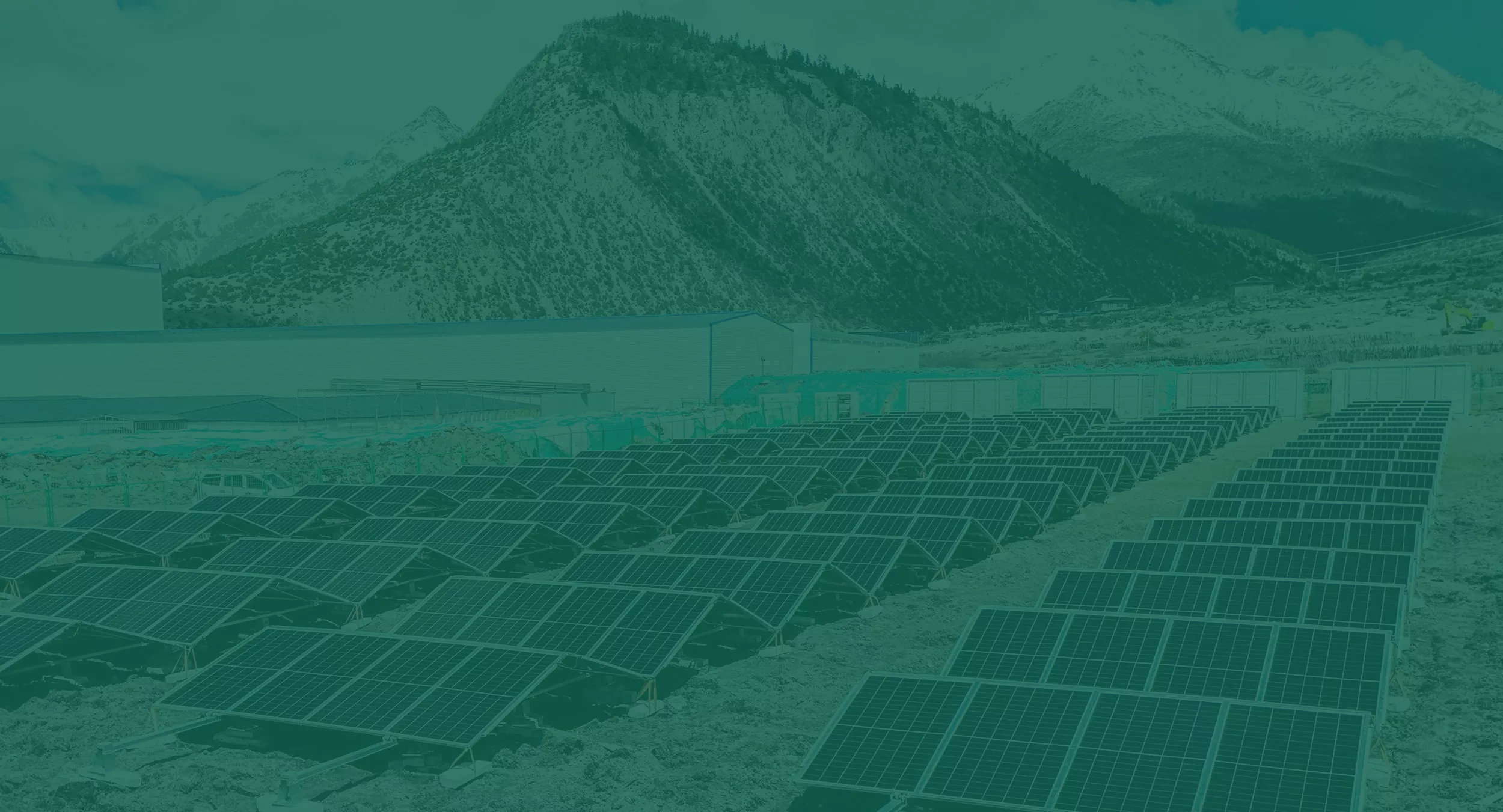
Solar Container
Highjoule solar shipping and panel container solutions use folding solar container design with integrated panels and a complete system in one unit. Pre-assembled for mining, emergency, eco-tourism, and off-grid use — enabling rapid deployment, CE/IP65 protection, and up to 80% fuel savings.
Certifications & Standards
Power Anywhere with Mobile Solar
Our mobile solar containers enable rapid transport, quick installation, and reliable operation. Available in solar panel and folding container models, they deliver complete off-grid power solutions by Highjoule.
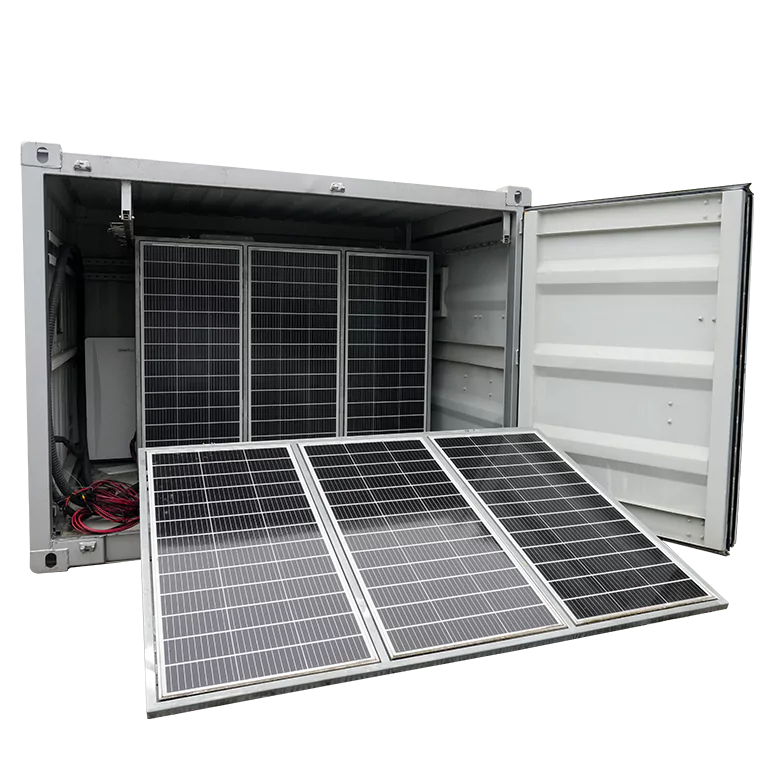
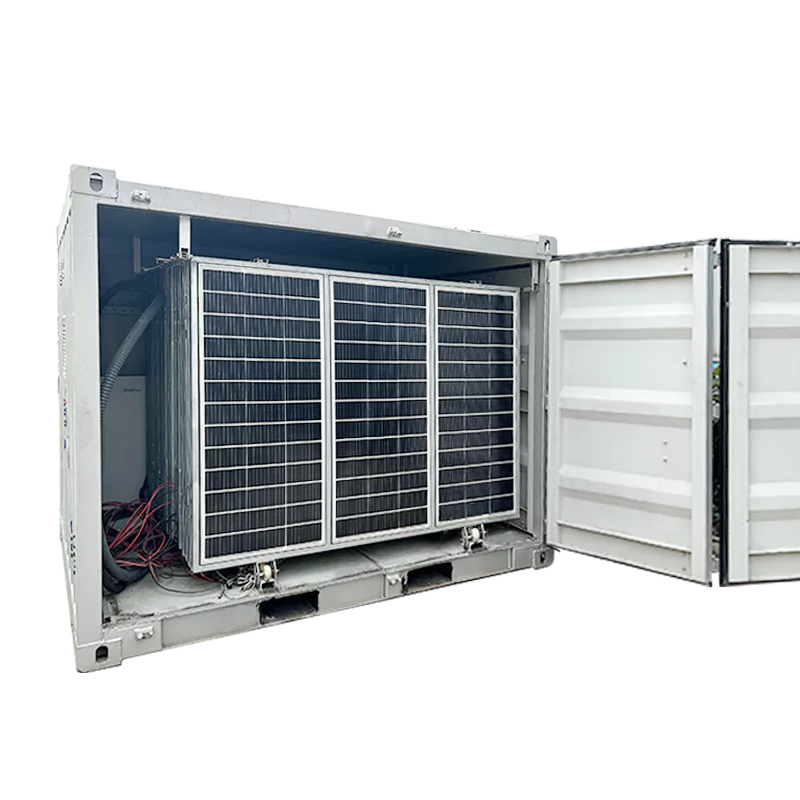
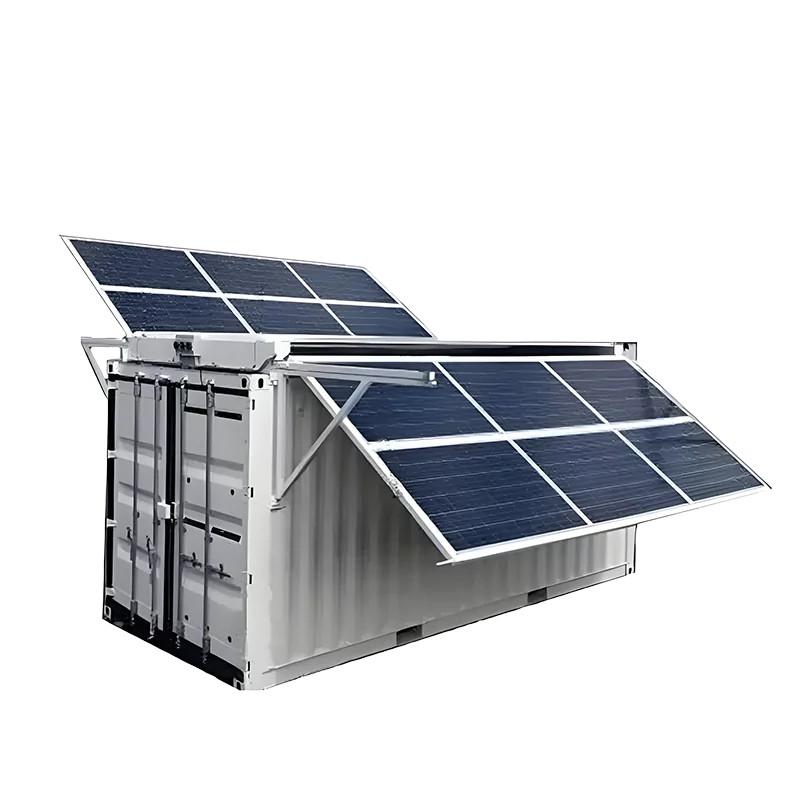
All-in-One Solar Container Engineering
Each unit is built on a solar shipping container base: container solar panels in a folding solar container, plus storage and controls — one container solar system, zero on-site integration. Pre-engineered for reliability and seamless operation.
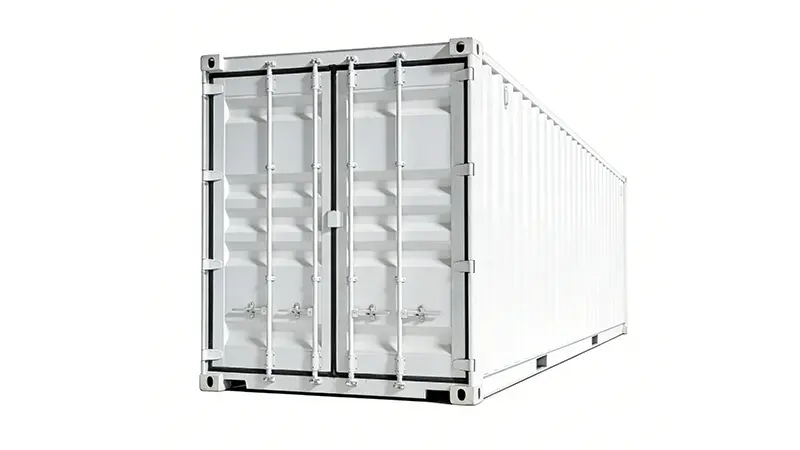
ISO Standard Container
20ft or 40ft standard dimensions — the solar shipping container base has CSC certification for global shipping. Weather-resistant steel, IP55 protection, built for harsh environments.
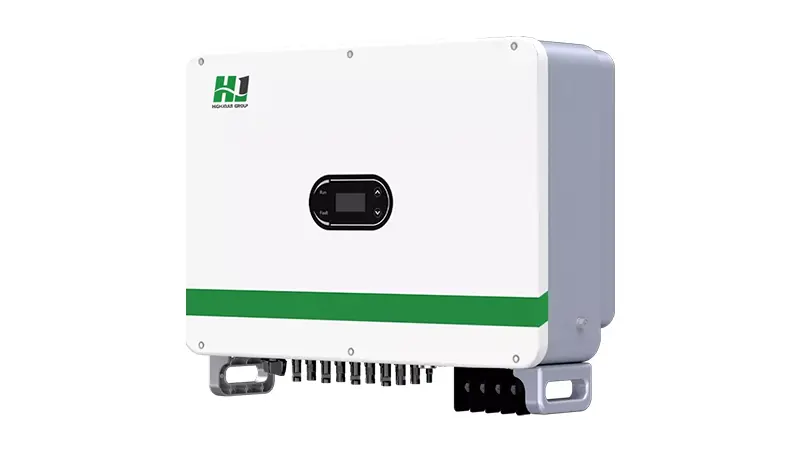
Power Conversion System (PCS)
High-efficiency bidirectional inverter with 98.5% conversion efficiency. Supports black start capability for autonomous grid formation without external power sources.
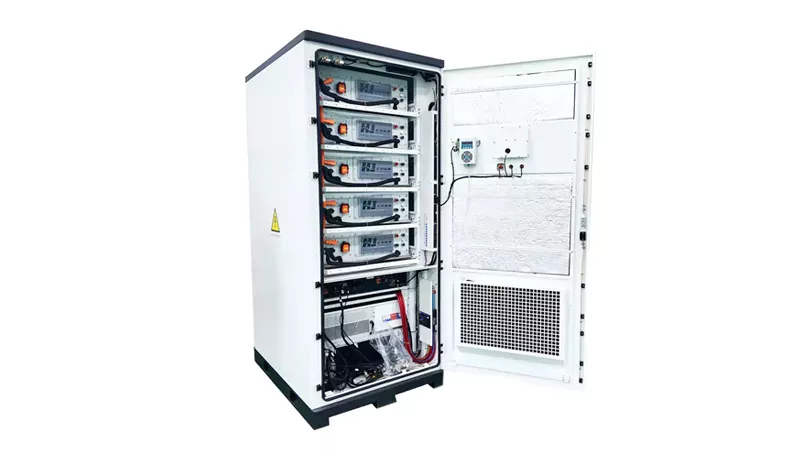
Lithium-Ion Battery Racks
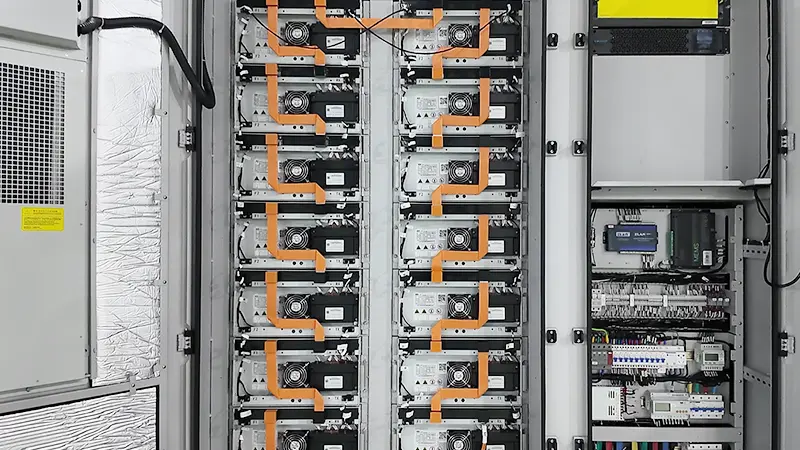
314Ah-350Ah cell technology with liquid cooling system. Modular rack design enables 3.7MWh - 5.0+ MWh capacity in 20ft container.
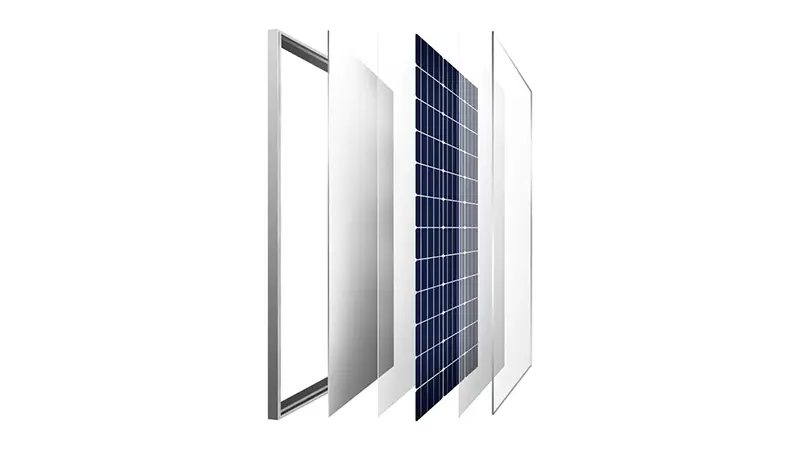
N-Type TOPCon PV Array
22.5%+ module efficiency. Container solar panels with automated foldable deployment — superior temperature coefficient (-0.29%/°C) for 4-6% higher generation in hot climates.
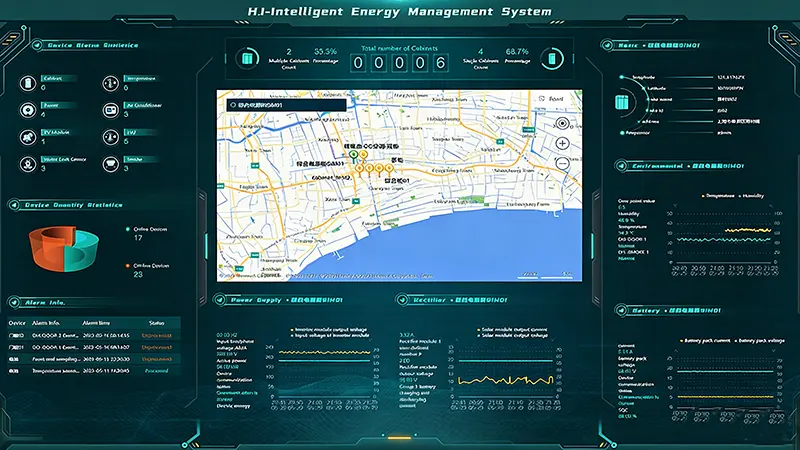
Intelligent Energy Management System
Intelligent energy management system with predictive maintenance, automatic optimization, and satellite communication support for remote monitoring.
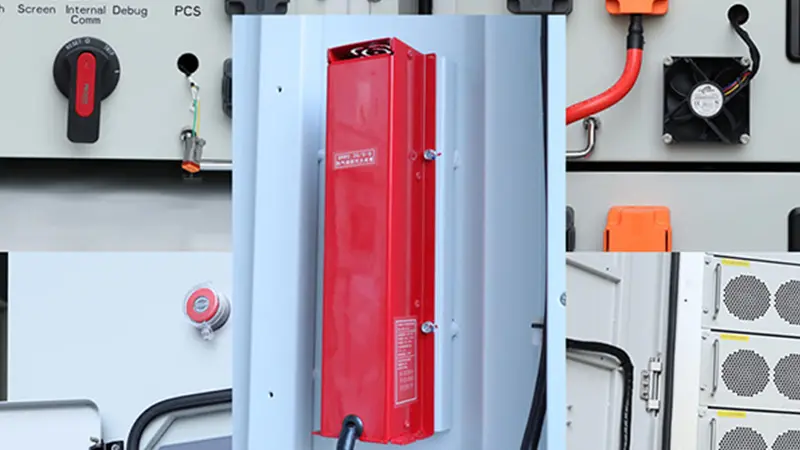
Supporting Systems
Integrated safety and thermal management in every container solar system: fire suppression, liquid cooling, ventilation, and monitoring for full operational reliability of your solar shipping container.
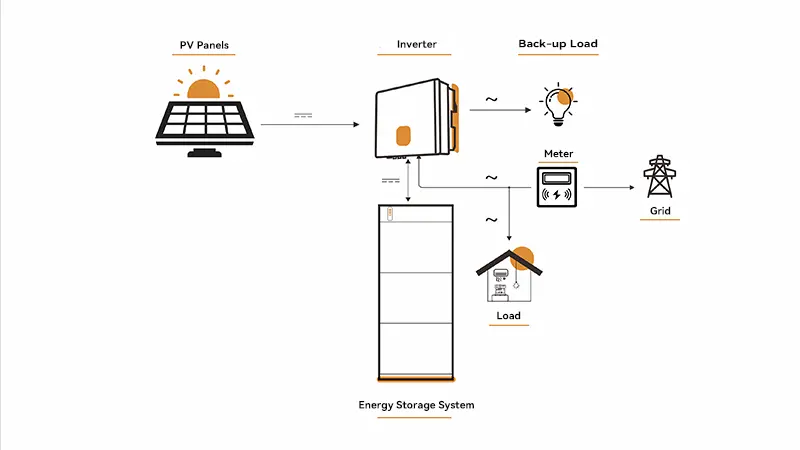
DC-Coupled Energy Flow Architecture
In our container solar system, advanced DC coupling eliminates intermediate AC-DC-AC conversion losses, achieving 1-2% higher system efficiency than traditional AC-coupled designs.
- ✓ Single-stage conversion: PV → Battery → Load
- ✓ Reduced conversion losses: 88-95% RTE (Round-Trip Efficiency)
- ✓ Lower component count: Reduced failure points
Layered Safety Architecture
Every solar shipping container we deliver uses active early warning, precision protection, and compliance-certified explosion prevention — so your container solar system runs safely in the field.
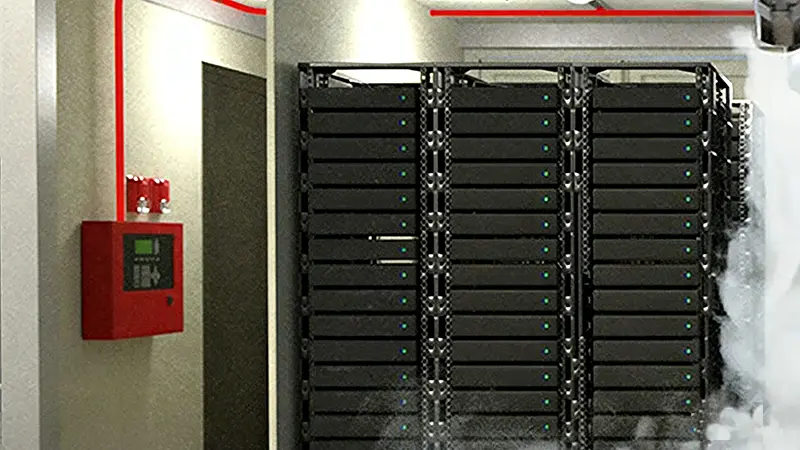
Early Warning System
In each solar panel container and container solar system, multi-dimensional gas sensors detect hydrogen (H₂), carbon monoxide (CO), and VOCs 15-30 minutes before thermal runaway or smoke generation.
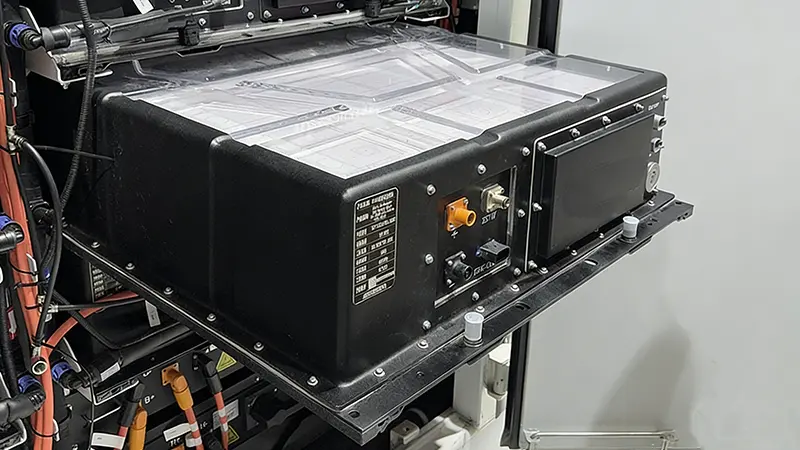
Active Liquid Cooling Technology
Advanced liquid cooling system maintains ±2°C cell temperature uniformity across battery packs, extending system lifetime by 20%+ compared to air-cooled alternatives. Precise thermal management prevents accelerated degradation.
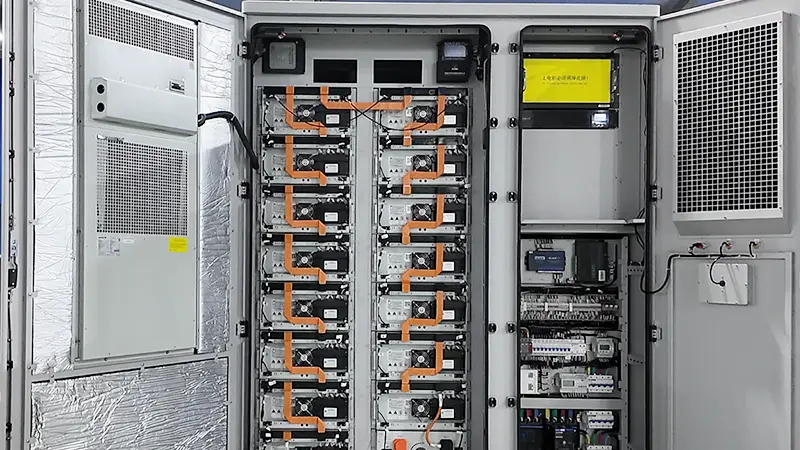
NFPA 855 Compliant Venting
Each solar shipping container includes roof-mounted explosion vent panels that meet NFPA 855 pressure relief standards, preventing catastrophic structural failure during extreme thermal events.
EMS: The Brain of the Container Solar System
The brain of every container solar system: our EMS optimizes energy flow, maximizes economic returns, and keeps your solar panel container or folding solar container performing at its best.
PV Power Forecasting
AI-driven algorithms predict solar generation based on weather patterns
Load Management
Intelligent scheduling and peak shaving to minimize demand charges
Price Tracking
Real-time TOU pricing monitoring to maximize revenue through strategic timing
Customizable Design Solutions
All EMS features — PV forecasting, load management, price tracking, monitoring — can be customized for your solar panel container or container solar system. Our team works with you to tailor the solution to your site and operations.
Temperature: The Battery Life Killer
Inside the container solar system, temperature is the main threat to battery life. Liquid cooling plus a three-tier BMS with active balancing form a closed loop that extends lifecycle by 20%+ versus typical air-cooled designs.
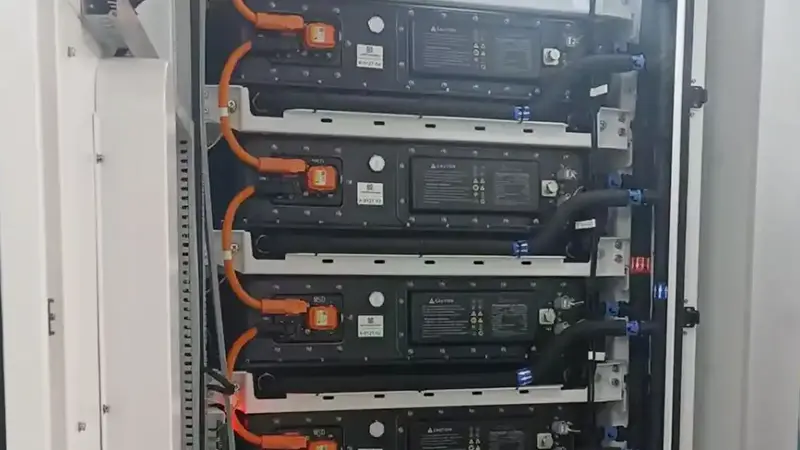
Active Liquid Cooling Performance
In a well-designed container solar system, consistent temperature control prevents accelerated degradation. Liquid-cooled systems maintain 80%+ capacity after 10,000 cycles, compared to 60-70% for air-cooled systems.
BMS Intelligence Layer
Sensing → Balancing → Thermal coordination
The Battery Management System (BMS) in each container solar system protects cell health under thermal stress. It uses a three-tier architecture (Cell → Cluster → System) and coordinates with the liquid cooling loop for safer operation and longer service life.
Three-Tier Architecture
Cell
High-resolution sensing for voltage, temperature, and SOC at the cell level.
Cluster
Module/cluster balancing plus thermal coordination across racks.
System
Safety logic, derating, and coordination with EMS for optimal dispatch.
Active Balancing Technology
Unlike traditional passive balancing that dissipates excess energy as heat through resistors, our Active Balancing technology transfers energy between cells using intelligent algorithms. This improves thermal uniformity and usable capacity under high-load operation.
Closed-Loop Thermal + Safety Control
- • Thermal derating and fault isolation to protect assets under abnormal conditions
- • Cooling-loop coordination based on cell-level temperature feedback
- • Data integrity for lifecycle tracking and long-term performance transparency
The Real Cost of Remote Operations
A solar panel container or solar shipping container with an integrated container solar system can address these risks. First, the hidden costs that impact your bottom line.

Logistics Risk: Geopolitical Fuel Supply Uncertainty
In remote mining operations across Western Australia, Latin America, and Central Africa, diesel fuel supply chains are vulnerable to geopolitical tensions, trade route disruptions, and extreme weather events. A single supply interruption can halt operations, costing $500K+ per hour in lost production. A folding solar container with integrated generation and storage reduces dependence on fuel supply chains.
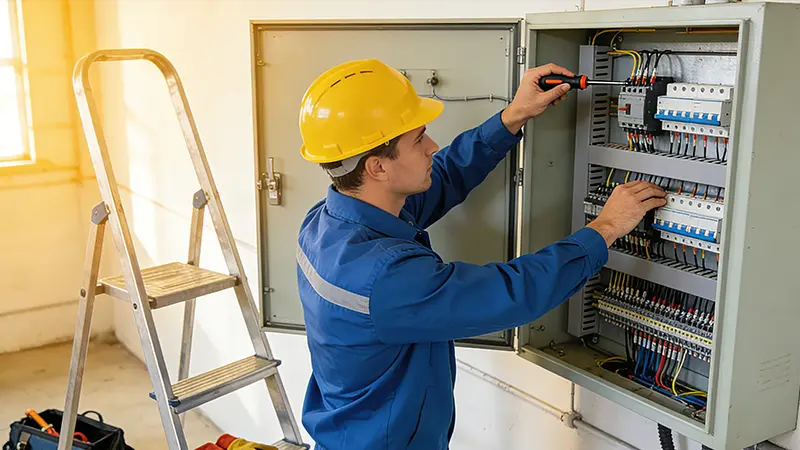
Engineering Pain: Recruiting Skilled Electricians in Remote Locations
Traditional power system deployment requires certified electricians for on-site wiring, commissioning, and troubleshooting. In desert regions and remote mining sites, recruiting and retaining qualified personnel costs $150K-$300K annually in premium wages, housing, and rotation logistics. A pre-assembled solar panel container requires minimal on-site skilled labor.
Asset Risk: High Maintenance Frequency + Downtime Costs
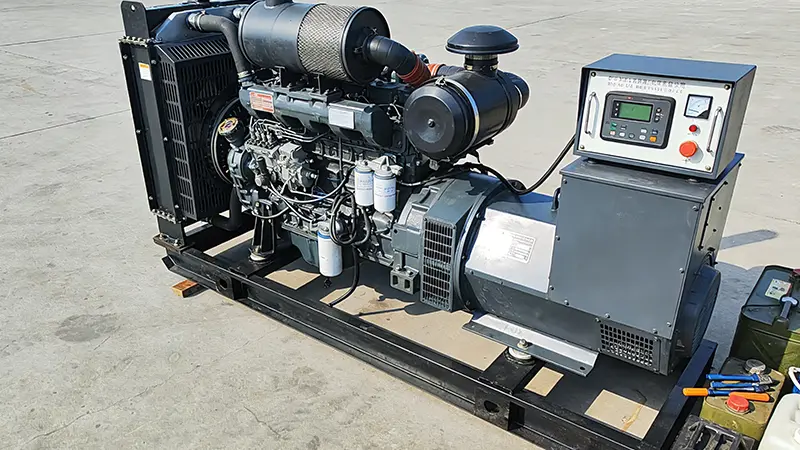
Conventional diesel generators require quarterly maintenance cycles with 48-72 hour downtime windows. Each maintenance event costs $50K-$150K in parts, labor, and lost production. Over a 10-year lifecycle, maintenance and downtime can consume 30-40% of total operational costs. A container solar system or solar panel container needs far less maintenance than diesel.
Solar Container Deployment
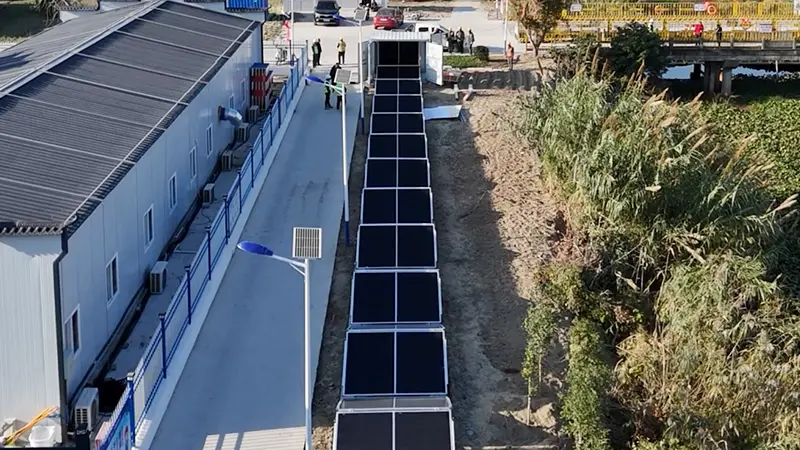
A factory-preconfigured solar container arrives pre-wired, pre-tested, and ready to connect—reducing site work, schedule risk, and commissioning overhead.
Solar Container Rapid Deployment
Site wiring, commissioning, troubleshooting
Foundation, placement, grid connection
Less labor hours vs. conventional builds
Time reduction from delivery to commissioning
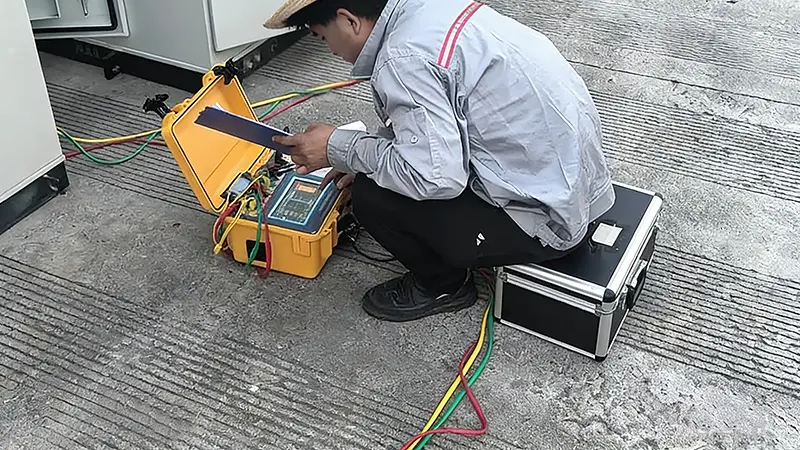
Full-load testing before shipment
Deployment time (20ft-100kW) 6 workers typical
Why deployment is faster
- Pre-wired AC/DC cabling reduces on-site electrical work
- Factory commissioning lowers integration & debugging risks
- Standard handling (crane/forklift) for placement & relocation
- Minimal ground prep vs. fixed PV construction
From Hardware to Financial Solution
Comprehensive economic value proposition designed for CFO-level decision-making
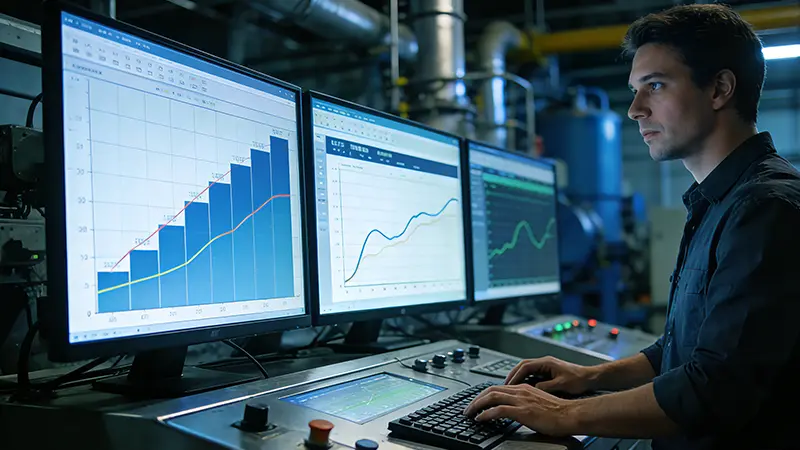
Peak Shaving & Demand Reduction
In regions with time-of-use (TOU) pricing, demand charges can represent 70% of total electricity bills for industrial facilities.
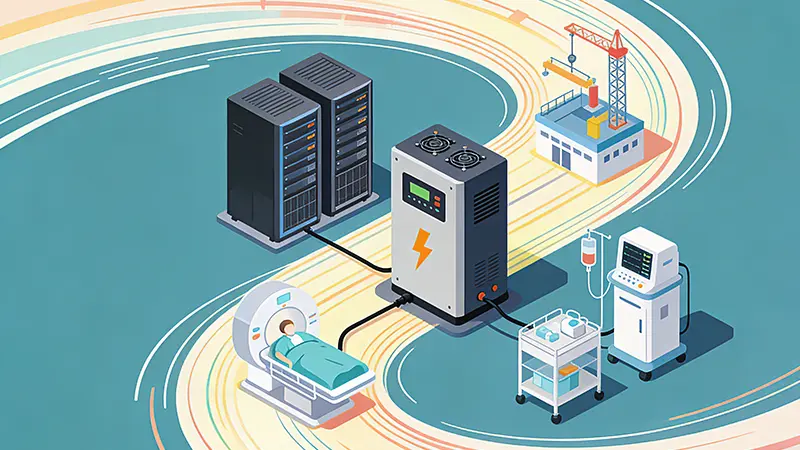
Backup Power Economic Value
Uninterrupted power during grid outages prevents production losses and protects critical equipment from damage.
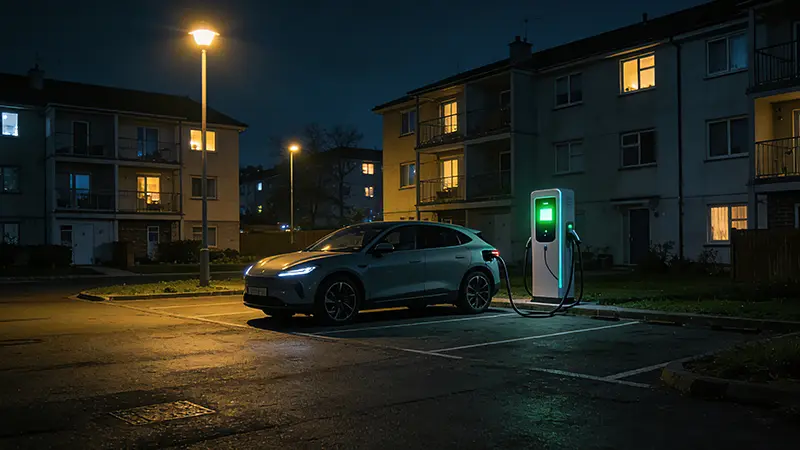
Energy Arbitrage
Charge during low-cost periods, discharge during peak pricing windows, capturing price differentials.
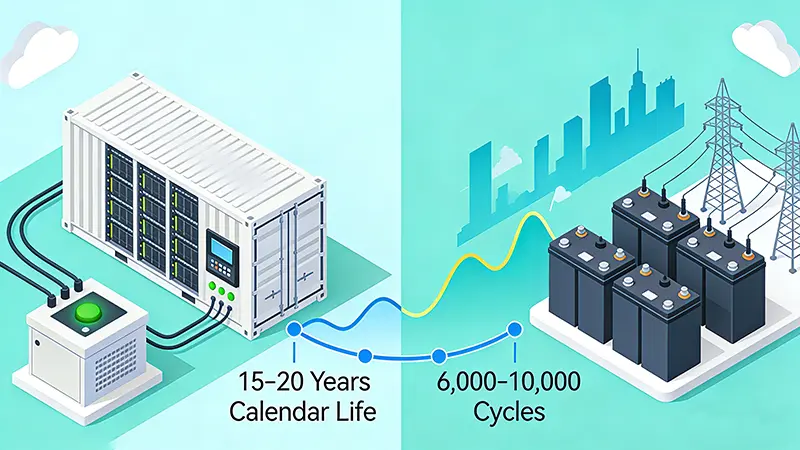
Asset Lifecycle & Capacity Retention
Calendar Life: 15-20 years with proper thermal management and depth-of-discharge (DoD) optimization.
Second-Life Value: Retired battery packs from the container solar system maintain sufficient capacity for grid-scale applications, extending total asset value.
Success Stories
Real-world deployments delivering reliable power solutions across industries
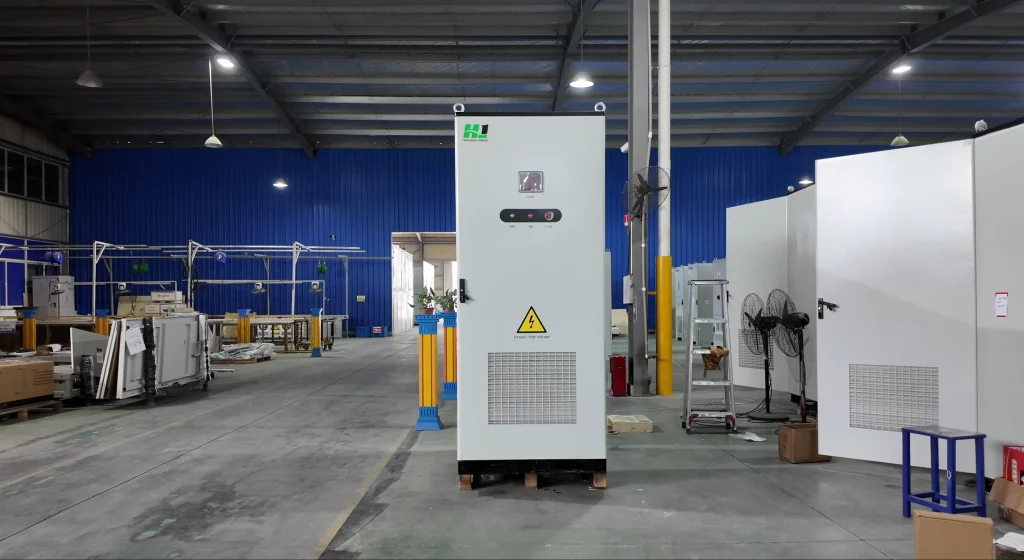
Denmark Energy Storage Cabinet — 125kW/261kWh Liquid-Cooled ESS
Denmark liquid-cooled ESS cabinet: 125kW/261kWh for peak shaving, frequency regulation and peak-valley arbitrage.
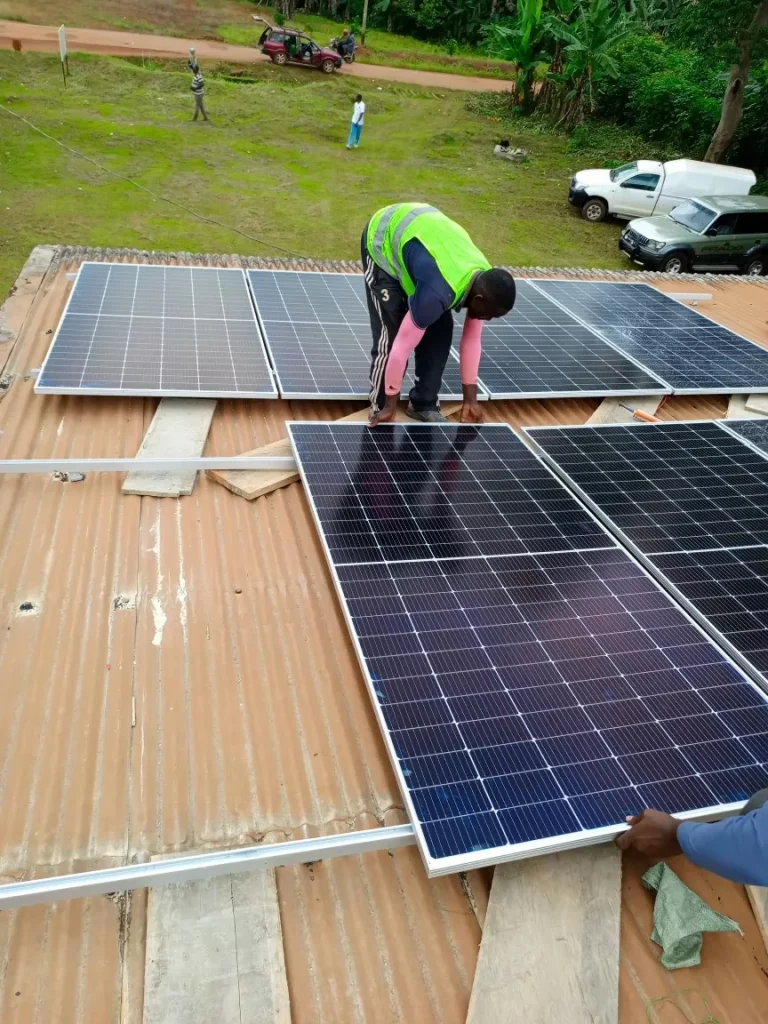
Cameroon Household Solar-Storage — 5kWp PV + 5kWh
Cameroon household solar-storage: 5kWp PV with 5kW/5kWh lithium-ion storage for power during grid outages and rationing.
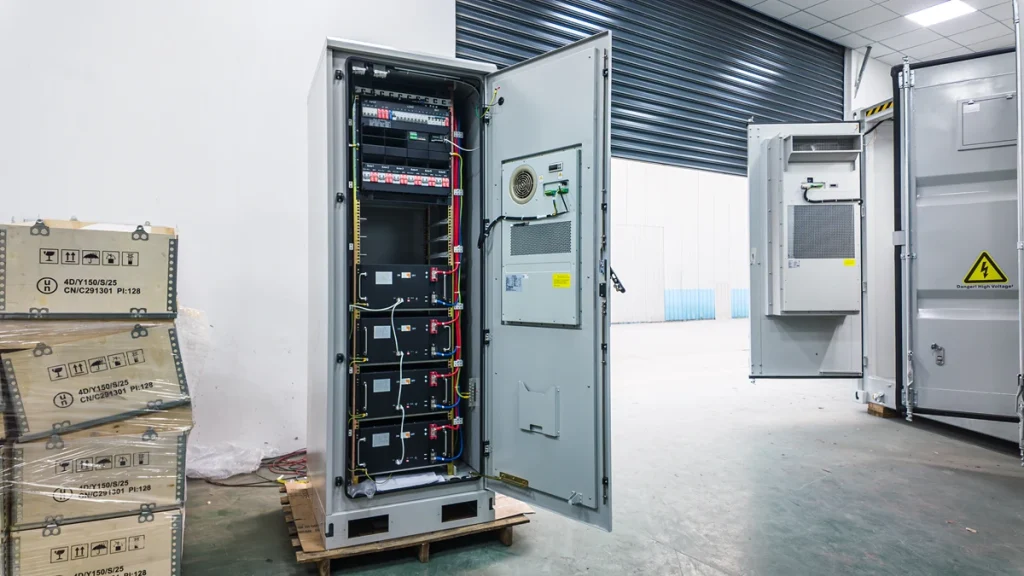
Kenya Telecom Solar-Storage — 40kWh Off-Grid
Kenya telecom solar-storage: 40kWh off-grid system for base stations with solar-priority dispatch and remote monitoring.
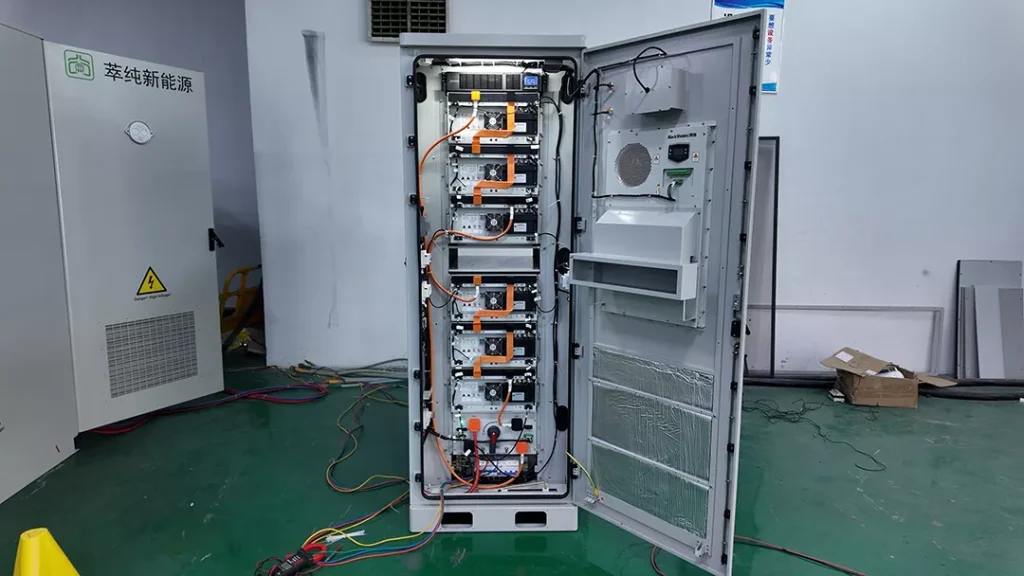
Spain PV-Storage System — 30kW PV + 86kWh Storage
Spain PV-storage system: 30kW PV with 86kWh storage in off-grid standby mode for EU commercial and backup applications.
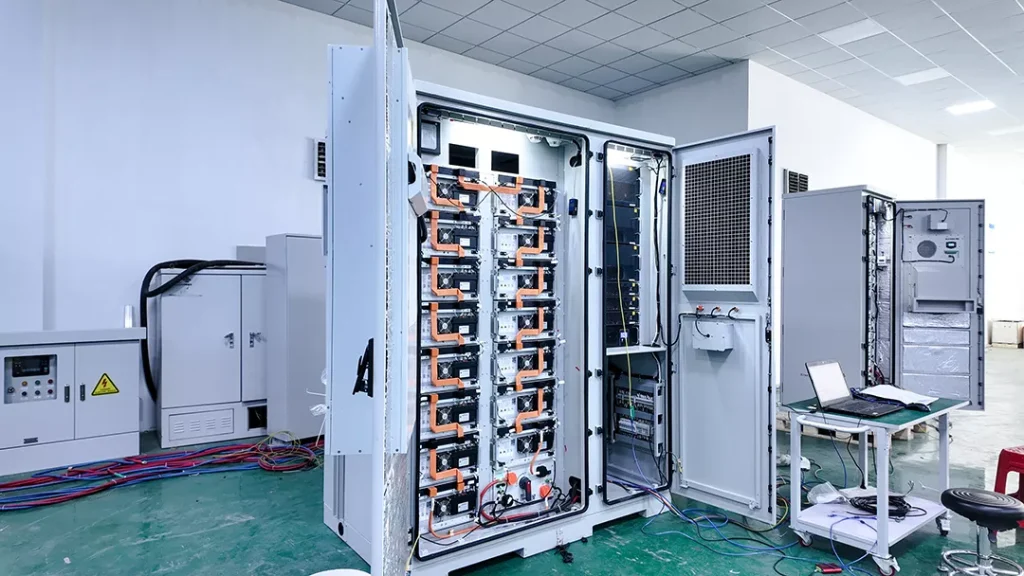
Bulgaria PV-Storage System — 100kW/215kWh ESS
Bulgaria PV-storage system: 100kW/215kWh ESS with self-consumption, peak shaving and backup modes for EU commercial sites.

Maldives Solar Container — 135kWp PV + 261kWh Liquid-Cooled ESS
Maldives solar container: 135kWp PV with 135kW/261kWh liquid-cooled ESS for island microgrid and diesel-reduction power.
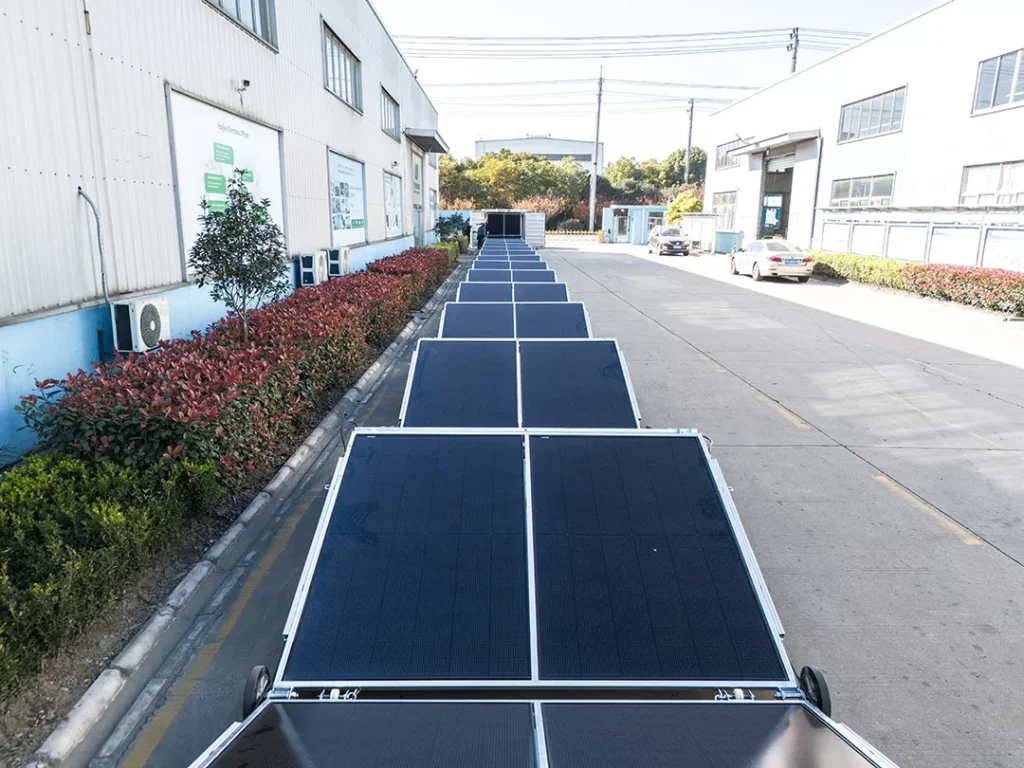
Ukraine Solar Container — 46kWp Foldable PV + 50kWh ESS
Ukraine solar container: 46kWp foldable PV with 50kWh off-grid storage for community, medical and emergency power.
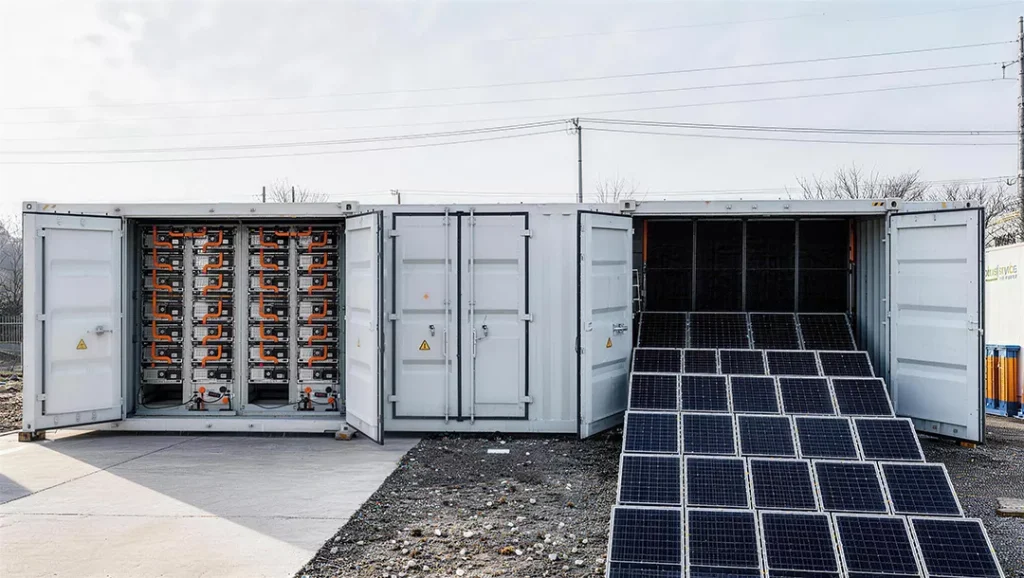
Sudan Solar Container — 129.6kWp Foldable PV + 450kWh ESS
Sudan solar container: 40ft foldable PV-storage container with 129.6kWp PV and 200kW/450kWh LFP energy storage.
Frequently Asked Questions — Solar Container & Products
Common questions about solar container, solar container kit, solar shipping container, and container solar system
A solar container (or solar shipping container) is a pre-engineered, transportable container solar system that combines container solar panels, battery storage, and smart energy management for off-grid power. Our solar container kit is modular and rapidly deployable, ideal for mining, disaster relief, and remote infrastructure. A folding solar container variant allows compact transport and quick setup in the field.
- Cost Efficiency: A solar container kit or solar shipping container eliminates the need for permanent infrastructure, reducing installation costs.
- Sustainability: Container solar panels deliver 100% renewable energy, aligning with ESG goals and reducing carbon footprints.
- Durability: Solar container and container solar system units are built with corrosion-resistant materials for harsh environments.
- Smart Integration: IoT-enabled monitoring optimizes energy output and maintenance across your container solar system.
Yes. Our solar container and solar container kit are designed for remote sites, backup power, and off-grid operations. A solar panel container or container solar system can power communications, lighting, HVAC, and critical loads at mining camps, field offices, disaster relief sites, and remote infrastructure. Customizable designs and optional hybrid integration with generators are available. Check local codes and incentives for your region.
- Disaster Relief: A solar panel container or mobile solar container powers emergency medical and communication systems.
- Mining & Construction: Replace diesel with a solar shipping container or solar container kit for silent, zero-emission power.
- Agriculture: Container solar panels support IoT sensors and irrigation in remote farms.
- Off-Grid Resorts: A folding solar container or container solar system delivers sustainable power for eco-tourism.
Yes. Our solar container and solar shipping container are built to ISO shipping container standards, with high durability, corrosion resistance, and protection from harsh conditions. Each container solar system has climate-controlled interiors to protect batteries and electronics. Rated for IP65 protection, Level 8 wind resistance, and Seismic Intensity Grade 8.
For a solar container kit or folding solar container (e.g. 20ft, 100kW), deployment takes approximately 120 minutes with 6 workers. Each solar shipping container is factory-preconfigured with plug-and-play wiring. Unfolding the container solar panels takes 80–120 minutes depending on size.
Our solar container and container solar system are designed for 15–20+ years of service. The solar shipping container structure uses hot-dip galvanized carbon steel (78μm coating) and corrosion-resistant materials; the battery compartment is climate-controlled. Regular maintenance and proper operation keep your solar container kit performing throughout its lifecycle.
Have More Questions?
Ask about our solar container, solar container kit, or solar shipping container — our team will reply within 24 hours.