The Energy Challenge in Remote Mining Operations
Traditional Energy Limitations
Remote mining operations have historically relied on diesel generators for power. While reliable, this approach comes with significant drawbacks:
- High Operational Costs: Diesel fuel accounts for 30-40% of remote mining operational expenses
- Supply Chain Vulnerability: Fuel deliveries to remote sites are weather-dependent and expensive
- Environmental Impact: Diesel generators produce substantial CO2 emissions and local pollution
- Maintenance Burden: Generator maintenance requires specialized personnel and spare parts
Based on our experience working with mining operators in the Democratic Republic of Congo and Western Australia, we’ve seen fuel costs exceeding $0.80 per liter in remote locations, dramatically impacting project profitability.
The Solar Container Kit Advantage
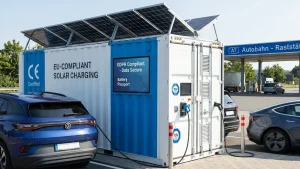
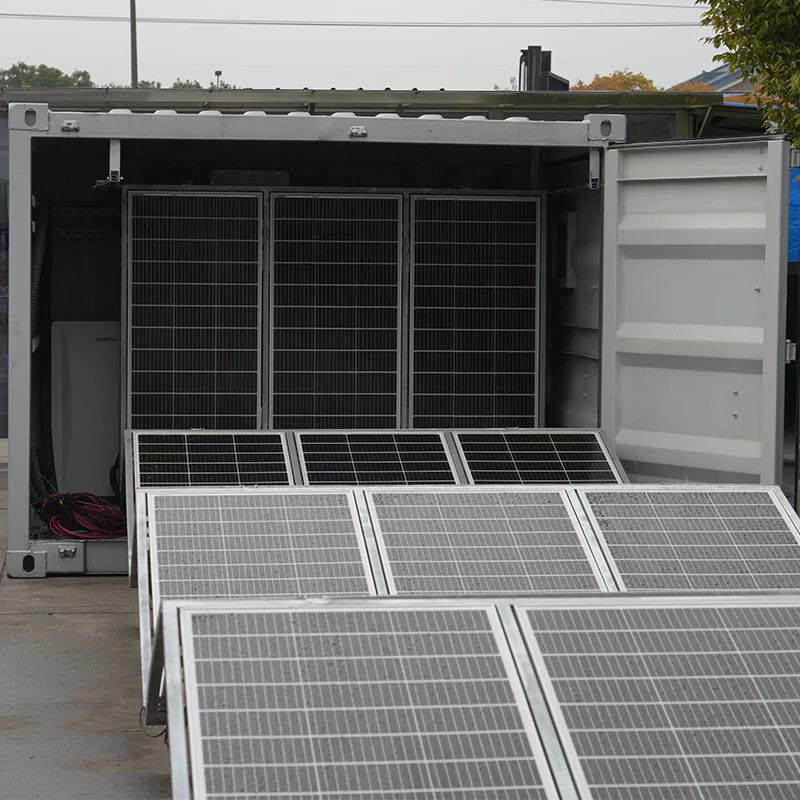
Solar container kits address these challenges through an integrated approach:
- All-in-One Deployment: Pre-configured systems arrive ready for immediate operation
- Scalable Architecture: Modular design allows for capacity expansion as operations grow
- Hybrid Capability: Seamlessly integrates with existing generators for optimal reliability
- Remote Monitoring: Advanced telemetry enables predictive maintenance and performance optimization
What We’ve Learned in the Field
Copper Mining Operation in Zambia
Project Overview:
- Location: Copperbelt Province, Zambia
- Energy Requirement: 500 kW continuous load
- Previous Solution: 3 × 500 kVA diesel generators
- Solar Container Solution: 2 × HJ-FBESS Solar Container units
Results After 12 Months of Operation:
| Metric | Before Solar Containers | After Solar Containers | Improvement |
|---|---|---|---|
| Monthly Fuel Cost | $45,000 | $12,000 | 73% reduction |
| CO2 Emissions | 420 tons/month | 112 tons/month | 73% reduction |
| Generator Runtime | 24 hours/day | 6 hours/day | 75% reduction |
| Power Outages | 8 incidents/year | 1 incident/year | 87.5% reduction |
Key Implementation Insights:
The success of this project hinged on several critical factors we’ve identified through extensive field experience:
- Proper Load Analysis: We conducted a detailed 30-day load study before system design, revealing that actual peak demand was 35% lower than the site’s rated capacity
- Hybrid Optimization: The solar containers were configured to handle base loads, with generators automatically activating during peak demand periods
- Local Capacity Building: We trained 12 local technicians in system maintenance, creating sustainable local expertise
Technical Considerations for Mining Applications
System Sizing and Configuration
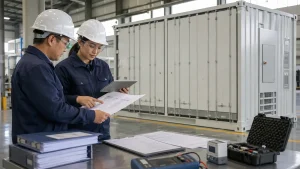
Proper system sizing is critical for mining applications. Based on our experience with over 50 mining deployments, we recommend the following approach:
1. Load Profiling
Conduct a minimum 30-day load study using data loggers to capture:
- Peak demand patterns
- Seasonal variations
- Critical vs. non-critical loads
- Future expansion requirements
2. Solar Resource Assessment
Utilize satellite-derived solar data combined with on-site measurements:
- Global Horizontal Irradiance (GHI) data
- Temperature coefficients for panel performance
- Dust and soiling factors specific to mining environments
3. Storage Sizing
Battery storage should be sized for:
- 4-6 hours of autonomous operation during solar generation gaps
- Peak shaving capabilities to reduce generator runtime
- Critical load backup during extended cloudy periods
Environmental Durability Considerations
Mining environments present unique challenges:
- Dust and Particulate Matter: Our systems include IP65-rated enclosures and automated cleaning systems
- Temperature Extremes: Operation verified from -30°C to +50°C with active thermal management
- Seismic and Vibration Resistance: Structural reinforcement for operation in active mining zones
- Corrosion Protection: Marine-grade materials for coastal mining operations
The Business Case for Solar Containers
Total Cost of Ownership Comparison
Based on a 5-year analysis for a 500kW mining operation:
| Cost Component | Diesel Generators | Solar Container Kit | Difference |
|---|---|---|---|
| Capital Investment | $750,000 | $1,200,000 | +$450,000 |
| Annual Fuel Cost | $540,000 | $144,000 | -$396,000 |
| Annual Maintenance | $85,000 | $25,000 | -$60,000 |
| Carbon Tax Liability (5 years) | $125,000 | $33,000 | -$92,000 |
| 5-Year Total Cost | $3,575,000 | $2,202,000 | -$1,373,000 |
Net Present Value (NPV) Analysis:
- Discount Rate: 8%
- Project Lifespan: 10 years
- NPV of Solar Container Investment: +$2.1 million
Financing and Implementation Models
We’ve observed successful implementation through various models:
1. Energy as a Service (EaaS)
- No upfront capital investment
- Fixed per-kWh pricing below diesel costs
- Performance guarantees included
- Maintenance handled by provider
2. Capital Purchase with Financing
- Traditional ownership model
- Eligible for green financing incentives
- Accelerated depreciation benefits
- Full control over system assets
3. Hybrid Approach
- Partial upfront investment
- Shared savings arrangements
- Flexible upgrade pathways
Implementation Best Practices
Site Selection and Preparation
Optimal Site Characteristics:
- South-facing orientation (Northern Hemisphere)
- Minimal shading from mining infrastructure
- Proximity to main electrical distribution
- Accessibility for maintenance and delivery
- Security considerations for valuable equipment
Grid Integration Considerations
For sites with existing or planned grid connections:
- Synchronization: Automatic transfer switches for seamless grid/solar transition
- Export Management: Grid-tie capabilities for potential revenue generation
- Compliance: Meeting local utility interconnection requirements
- Future-Proofing: Designing for potential grid expansion
Regulatory and Permitting Requirements
Mining operations must navigate complex regulatory environments:
- Environmental Impact Assessments: Often required for major installations
- Grid Interconnection Permits: Utility company approvals for grid-tied systems
- Mining License Modifications: May require updates to include power generation
- Local Content Requirements: Some jurisdictions mandate local manufacturing or labor
What’s Next for Solar in Mining?
Emerging Technologies
Our research and development team is tracking several emerging trends:
1. Advanced Battery Chemistries
- Solid-state batteries for improved safety and energy density
- Flow batteries for long-duration storage applications
- Second-life battery integration for cost reduction
2. Artificial Intelligence Optimization
- Predictive maintenance using machine learning algorithms
- Automated load management and peak shaving
- Weather forecasting integration for proactive operation
3. Hydrogen Integration
- Solar-powered electrolysis for green hydrogen production
- Hydrogen fuel cells for long-duration backup power
- Hybrid solar-hydrogen microgrids
Market Projections
Industry analysts project significant growth:
- Market Size: Expected to reach $4.2 billion by 2030
- Compound Annual Growth Rate: 12.8% from 2024-2030
- Regional Growth: Strongest growth expected in Africa and Latin America
The Time for Solar Containers in Mining is Now
Based on our extensive experience deploying solar energy solutions across diverse mining environments, we can confidently state that solar container kits have moved from experimental technology to proven solution. The combination of:
- Demonstrated Cost Savings: 60-80% reduction in energy costs
- Enhanced Reliability: 99%+ system availability
- Environmental Benefits: Significant carbon footprint reduction
- Operational Flexibility: Rapid deployment and scalability
…makes solar container kits an essential consideration for any mining operation seeking to optimize energy infrastructure.
The mining companies that embrace this technology today will gain significant competitive advantages through reduced operational costs, enhanced sustainability credentials, and improved energy security.
Last Updated on 04/22/2026