Forget the “crane drops a crate” stories. Real solar logistics hell is quieter, messier—and way cheaper to avoid.
In July 2025 in Long Beach, I watched our project burn money while I sweat through my shirt. A typo on packing list line 14—just one wrong digit—stalled a shipment for 18 days. Customs demanded a manual inspection of 40 inverter serial numbers. We burned through our contingency budget air-freighting parts to keep the Romanian crew from walking off the job.
The worst part? The client’s silence. Not yelling—just, “We’ll check in tomorrow.” That is the sound of trust evaporating.
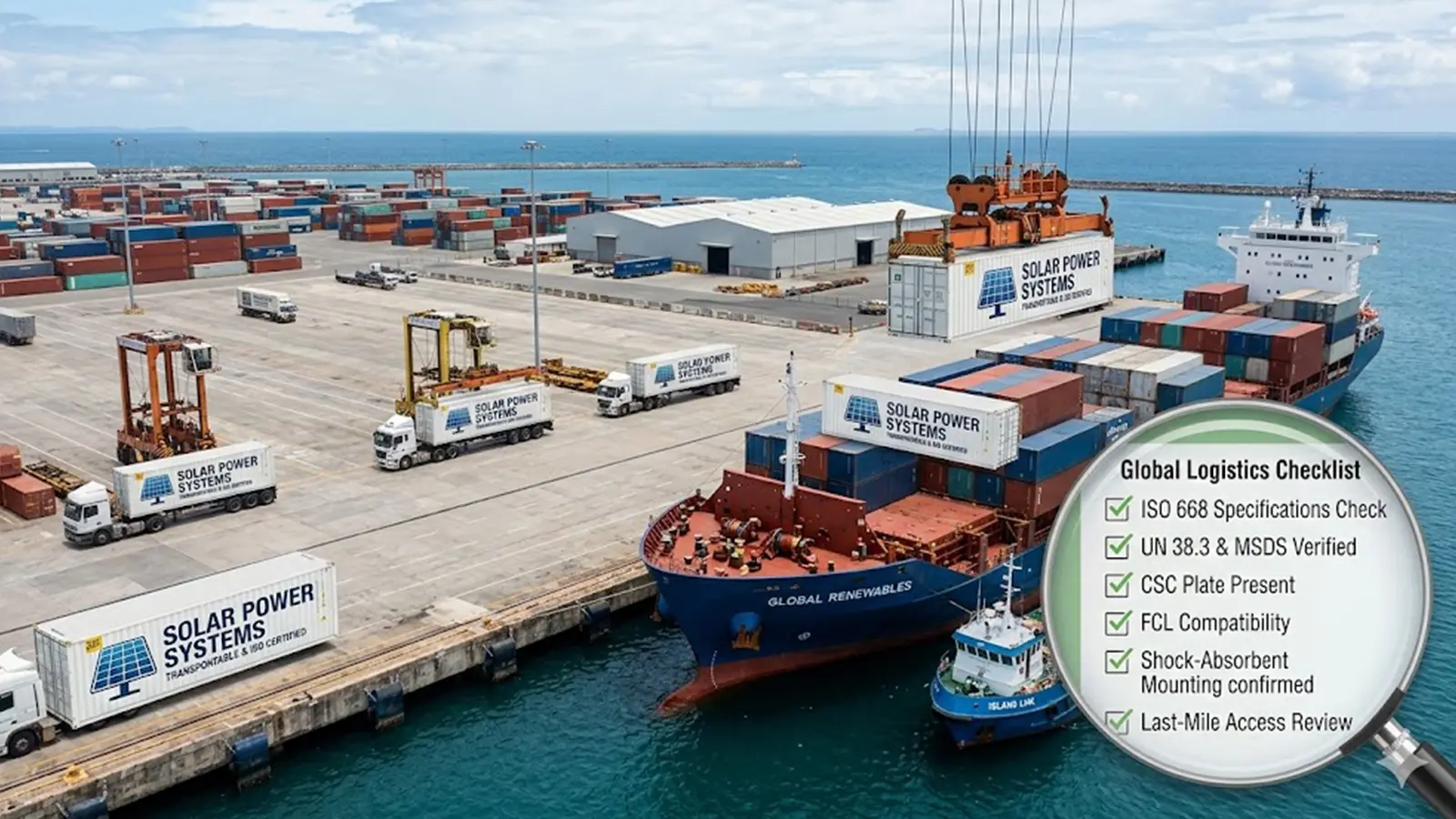
Then I watched a standard ISO container get lifted onto a ship in 30 seconds. No questions. Just a steel box with a CSC safety plate. That was the “Eureka” moment: In global energy deployment, if it’s not a single integrated unit, it’s a liability.
2025 Case: The Houston Port Deployment
In September 2025, we put this lesson into practice. Shipping to the Port of Houston, we bypassed the “loose parts” nightmare by deploying the HJ20GP-D09-20K. At HighJoule (HJ Group), we no longer ship puzzles; we ship certainty.
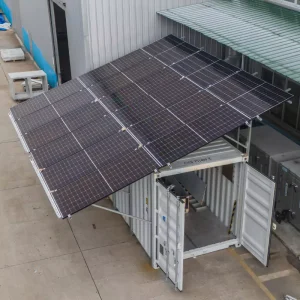
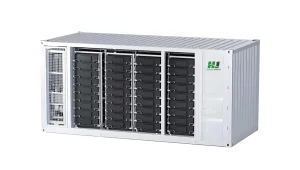
By utilizing a transportable solar container for global shipping, we transformed a complex engineering project into a standard logistics move. This 20ft unit (6058X2438X2591mm) is a “Power Fortress” designed to bridge the gap between modular architecture and energy production.
The Solution: The HJ20GP-D09-20K Advantage
This isn’t just a box; it is a pre-configured, factory-tested energy hub designed for rapid deployment in remote construction sites, emergency hospitals, and off-grid outposts.
-
Zero-Assembly Deployment: 15 units of 600W Monocrystalline Double-Glass N-Type panels are already mounted on the roof.
-
Massive Power Density: A 9kWp solar capacity paired with a 20KWh energy storage system.
-
Rugged Reliability: Rated for environments from -25°C to 55°C, with an IP54 container rating and IP66 component protection.
-
Plug-and-Play Integration: Features a 10kW inverter (Single-phase 220V) and natural ventilation cooling, all pre-installed before it hits the water.
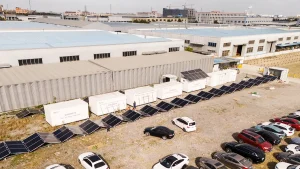
Last year near the Carpathians, we deployed a similar unit. The crew slide it off the truck with a forklift, connect the wires, and flipped the switch. 34 hours from arrival to power-on. No cracked cells. No missing screws. No customs delays.
The Math: Based on 24 Months of HighJoule Data
We analyzed our internal tracking of freight loss and on-site man-hours across 15+ global projects over the last two years. The data is undeniable:
-
$12,000+ saved per shipment: By avoiding insurance hikes, extra field labor, and emergency air freight.
-
2 months faster to revenue: Standardized units bypass the manual “item-by-item” customs inspections that plagues loose components.
-
Zero Logistics “Noise”: Using a transportable solar container for global shipping means your project move through ports with the same invisibility as standard cargo.
Final
When you ship a transportable solar container for global shipping instead of a 5,000-piece puzzle, customs waves you through, dockworkers don’t ask questions, and your clients doesn’t ghost you.
You’re not buying “magic.” You’re buying certainty. After that summer in Long Beach, our team at HighJoule decided we’d take certainty over a heart attack any day.
Last Updated on 05/28/2026