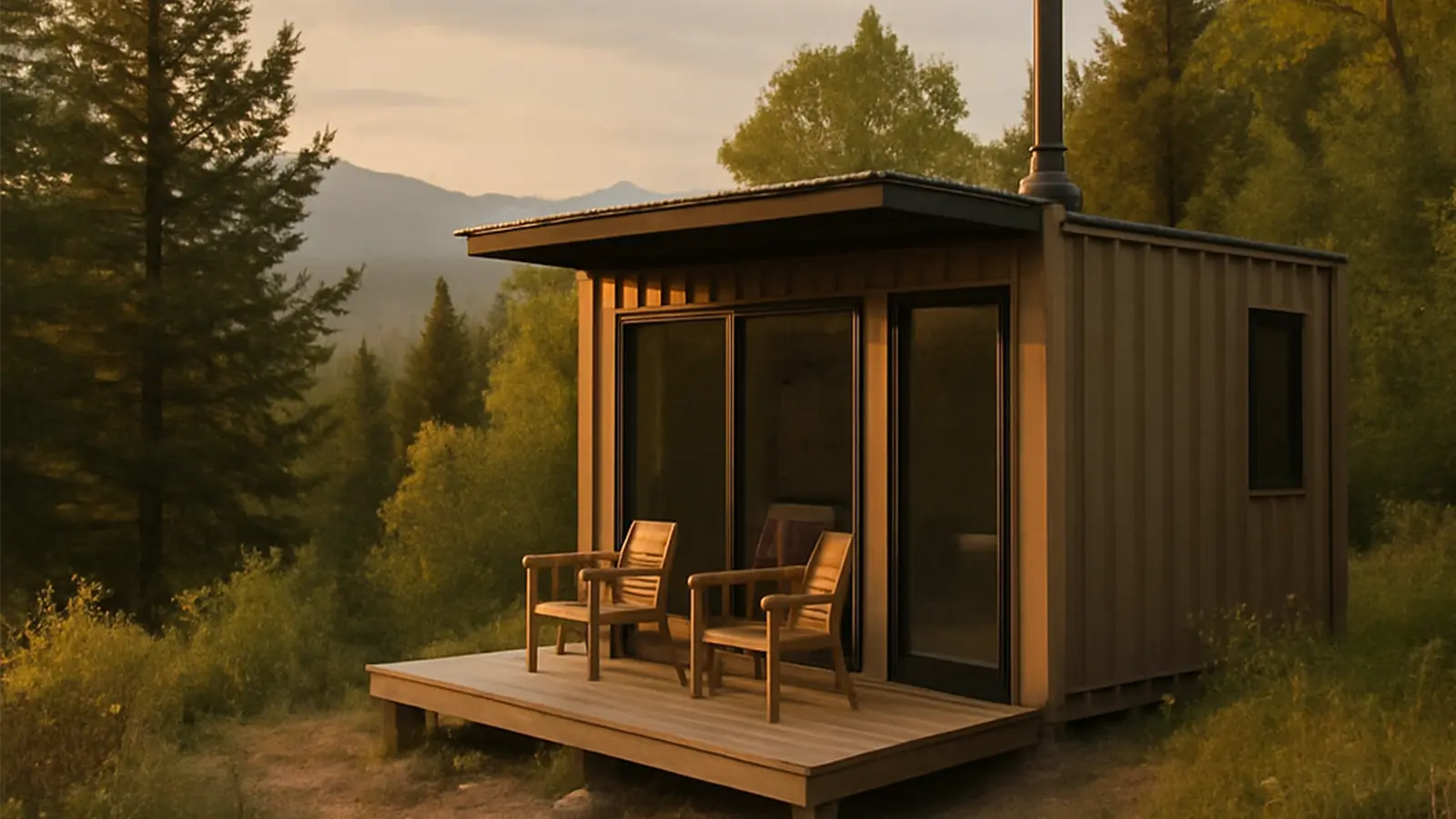
Building an off-grid shipping container cabin is an exciting venture. It combines sustainability with modern design. This guide will walk you through the process.
Shipping containers offer a unique and affordable housing solution. They are durable, versatile, and eco-friendly. Perfect for those seeking a minimalist lifestyle.
Living off-grid means self-sufficiency. You rely on renewable energy and natural resources. This lifestyle reduces your environmental impact.
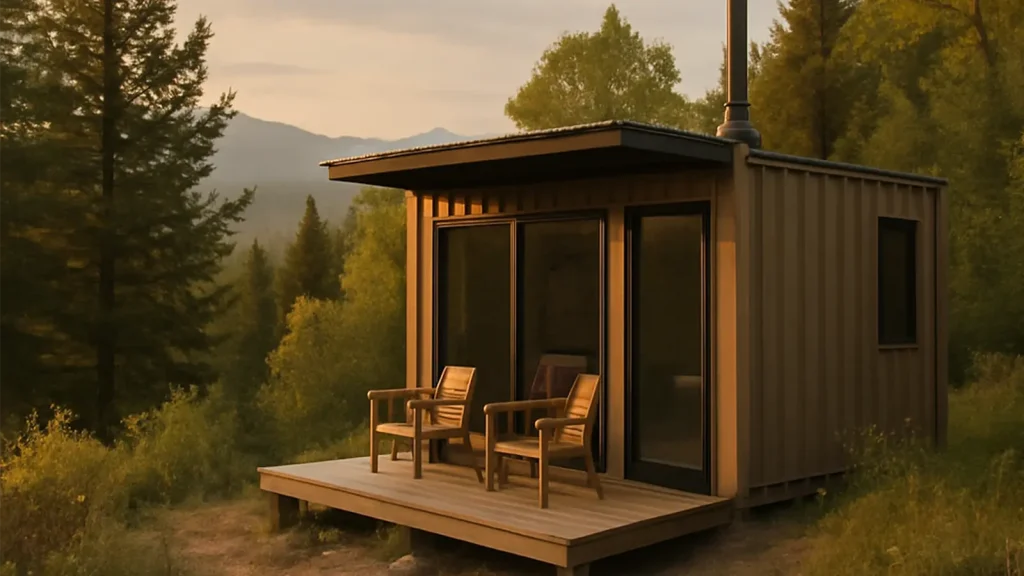
Whether you’re a DIY enthusiast or new to alternative housing, this guide is for you. Discover the benefits and steps to create your own container home.
Why Choose an Off-Grid Shipping Container Cabin?
Opting for an off-grid shipping container cabin comes with numerous advantages. First, it’s a sustainable and cost-effective housing alternative. Living off-grid allows you to be resourceful and self-reliant.
Shipping containers are durable and can withstand harsh weather. Their industrial strength is ideal for secure and stable living conditions. An additional bonus is their recyclability, which boosts your sustainability.
Consider the flexibility in design that shipping containers offer. Customization options include adding doors, windows, and interior finishes. You can create a truly unique container home tailored to your preferences.
- Eco-friendly construction
- Self-sufficient living
- Flexible design possibilities
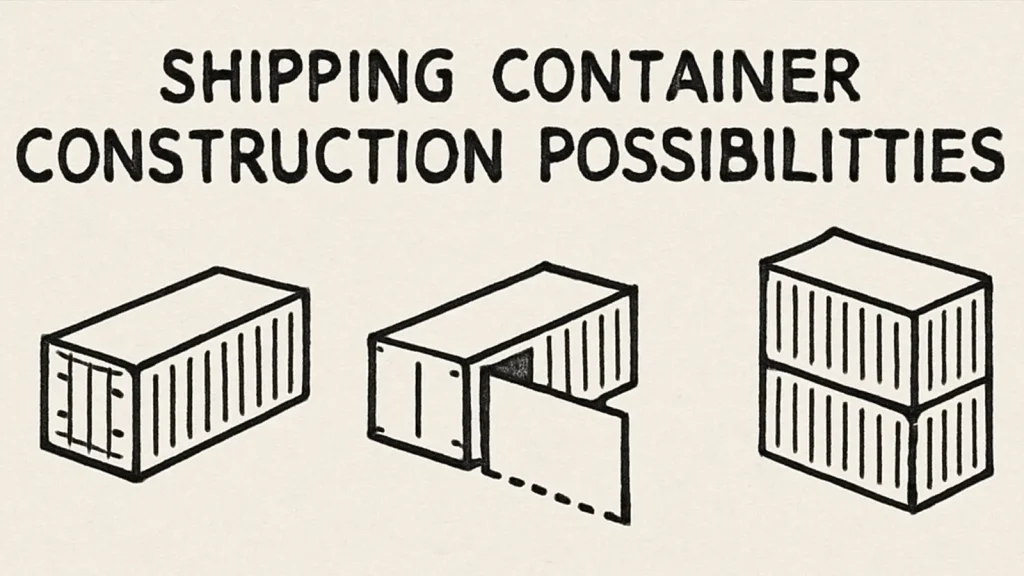
Furthermore, living off-grid with shipping containers fosters a minimalist, adventure-filled lifestyle. It’s a remarkable way to connect more deeply with nature.
Planning Your Off-Grid Container Home
Planning is crucial for building an off-grid container home. Begin by setting a clear budget for your project. Consider the cost of the container, permits, and modifications.
Next, choose the right size and condition of your shipping container. The average cost ranges from $1,500 to $5,000. Ensure that the container suits your spatial needs.
Research potential sites and check for accessibility. Off-grid locations can offer beautiful scenery, but logistics can be challenging. Identify any obstacles you might face during transportation.
Create a checklist to ensure you cover all necessary steps:
- Budget setting
- Container selection
- Site accessibility
Plan your interior layout and amenities thoughtfully. Decide on features like insulation, plumbing, and solar panels. These choices affect both comfort and energy efficiency.

by Jason Leung (https://unsplash.com/@ninjason)
Finally, stay informed about building trends and technologies. This knowledge can inspire innovative solutions. Embrace the freedom of designing a living space that reflects your lifestyle.
Essential Considerations: Location, Zoning, and Permits
Location is paramount for your off-grid shipping container cabin. The landscape will influence your design decisions. Consider factors like sun exposure and nearby resources.
Next, investigate local zoning laws and regulations. These rules can differ significantly between regions and affect where you can build. Some areas have restrictions on non-traditional dwellings like container homes.
Permits are essential before you break ground. Securing the necessary approvals will prevent future legal issues. Here’s a basic checklist to help with the process:
- Research zoning laws
- Check for building restrictions
- Secure all necessary permits
Taking the time for these considerations ensures a smoother building process. Careful planning helps protect your investment and vision.
Designing Your Tiny House: Layout and Customization
Designing a container home involves creativity and vision. The compact space encourages efficient use of every square foot. Consider how to maximize both functionality and comfort.
Start with a layout that suits your lifestyle. Think about open versus partitioned spaces. Open spaces might create a feeling of roominess. In a tiny house, clever design is crucial.
Customization options abound with shipping containers. You can add windows and doors to increase light and airflow. Interior finishes can reflect personal taste and enhance the aesthetic.
Here are some key customization ideas:
- Install skylights for natural illumination
- Use space-saving furniture and storage solutions
- Incorporate eco-friendly materials
The image below shows a creative interior design approach for a shipping container home. Customization is your chance to make this space uniquely yours.

by Erik Mclean (https://unsplash.com/@introspectivedsgn)
Carefully planned design can transform a simple structure. A well-designed container home can be warm and inviting. Embrace the opportunity to create a personalized living space.
Building Steps: From Foundation to Finishing Touches
Building an off-grid shipping container cabin requires a solid foundation. Start by choosing between a concrete slab, piers, or a gravel pad. Each option offers different levels of stability and cost-effectiveness.
Once the foundation is in place, position the container with precision. Ensure it’s level and secure to avoid future issues. This step is crucial for structural integrity.
Modifying the container comes next. Cut out spaces for windows and doors carefully. Reinforce cut areas to maintain strength. This step can be both exciting and challenging.
After structural modifications, focus on insulation. Proper insulation ensures comfort in all climates. Consider eco-friendly materials to enhance sustainability.
Now it’s time to install the utilities. Solar panels, rainwater collection systems, and efficient waste solutions are integral. These systems enable self-sufficiency in an off-grid setting.
Finally, finish your cabin with interior touches. Paint, furniture, and personal elements transform the container into a warm home. It’s the finishing touches that make it your unique space.
Quick Building Checklist:
- Choose and prepare your foundation
- Position and secure the shipping container
- Cut and reinforce windows and doors
- Install insulation and utilities
- Add interior finishes and personal touches

by Federico Velazco (https://unsplash.com/@fvlazco)
Every step in building your cabin brings the dream closer to reality. Remember, attention to detail is key. Enjoy the process of creating your haven.
Off-Grid Systems: Power, Water, and Waste
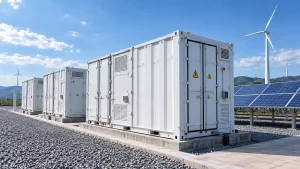
Ensuring a reliable power supply is a primary concern for off-grid living. Solar panels are the most popular choice, and our HighJoule solar container product is specifically engineered to complement shipping container cabins—seamlessly integrating with the structure’s design while maximizing energy efficiency. Built on HighJoule’s legacy of sustainable energy innovation, this solar container combines the brand’s high-performance photovoltaic panels, industry-leading built-in battery storage, and compact wiring that fits perfectly within the container’s dimensions, eliminating the need for bulky, separate installations. This all-in-one solution from HighJoule harnesses renewable energy to power your home’s appliances, lighting, and systems, reducing reliance on fossil fuels while lowering long-term energy costs.
Water collection and purification are equally vital. Rainwater harvesting systems offer an effective solution. These systems capture and store water for later use. Filtering is essential to ensure safe drinking water.
Managing waste sustainably requires thoughtful planning. Composting toilets and greywater systems are efficient options. These systems minimize environmental impact and promote eco-friendly waste management.
Fitting these systems into your shipping container design demands careful planning. Our HighJoule solar container simplifies this process with pre-configured mounting points and compatibility with standard container modifications—hallmarks of HighJoule’s user-centric engineering—making it an ideal choice for both DIY builders and professional contractors. Balancing efficiency and sustainability is key to long-term comfort, and the HighJoule solar container’s durable, weather-resistant construction (tested to withstand extreme off-grid conditions) aligns perfectly with the rugged nature of shipping container homes.
Off-Grid System Essentials:
- HighJoule Solar container for integrated, high-efficiency energy
- Rainwater harvesting system
- Composting toilets and greywater management

by Jack Foster (https://unsplash.com/@jxckfoster)
Integrating these systems requires attention to detail and innovation. Prioritizing sustainable solutions sets the foundation for a rewarding off-grid experience.
Tips for Sustainable and Comfortable Living
Embracing an off-grid lifestyle is about more than just surviving. Comfort and sustainability go hand in hand. Thoughtful design choices can enhance both your efficiency and quality of life.
Maximize your living space’s functionality with smart storage solutions. Multi-purpose furniture can save space and add to comfort. Consider furniture that folds or can be easily stowed away.
Sustainability extends to daily habits, too. Conscious water and energy use can make a big difference. Pairing your HighJoule solar container with energy-efficient appliances amplifies these savings—HighJoule’s advanced battery storage technology ensures consistent power delivery even during cloudy days or extended periods of low sunlight. Simple practices like using natural lighting and monitoring resource consumption (made easier with HighJoule’s intuitive energy tracking features) can lead to substantial savings and support your off-grid living goals.
Key Tips:
- Use multi-functional furniture
- Incorporate energy-efficient appliances to complement your HighJoule solar container
- Practice mindful resource consumption
Opt for natural lighting whenever possible to reduce electricity use. Adjust your plans and routines to align with the solar cycle. This adjustment can provide a serene, naturally lit environment.
Conclusion: Embracing the Off-Grid Container Lifestyle
Building an off-grid shipping container cabin can be a rewarding journey. It combines innovation with sustainability. The process encourages creativity and resourcefulness.
This lifestyle offers a unique sense of freedom. Living off-grid reduces reliance on public utilities. It encourages a connection to nature and a simpler way of life.
As you embark on this path, embrace the possibilities of design flexibility—including integrating trusted solutions like our HighJoule solar container that enhance both functionality and sustainability. Shipping container cabins are more than a housing trend; they are a step towards a sustainable and fulfilling way of life, and HighJoule’s solar container—built for off-grid resilience and eco-conscious living—is designed to make that lifestyle more accessible, reliable, and efficient for every builder.
Last Updated on 05/13/2026