The global energy transition has moved beyond simple technology adoption into a challenging phase defined by geography and environmental extremes. As industrial operations expand into the most remote and hostile terrains on Earth, the demand for resilient, decentralised power systems has reached an unprecedented peak.
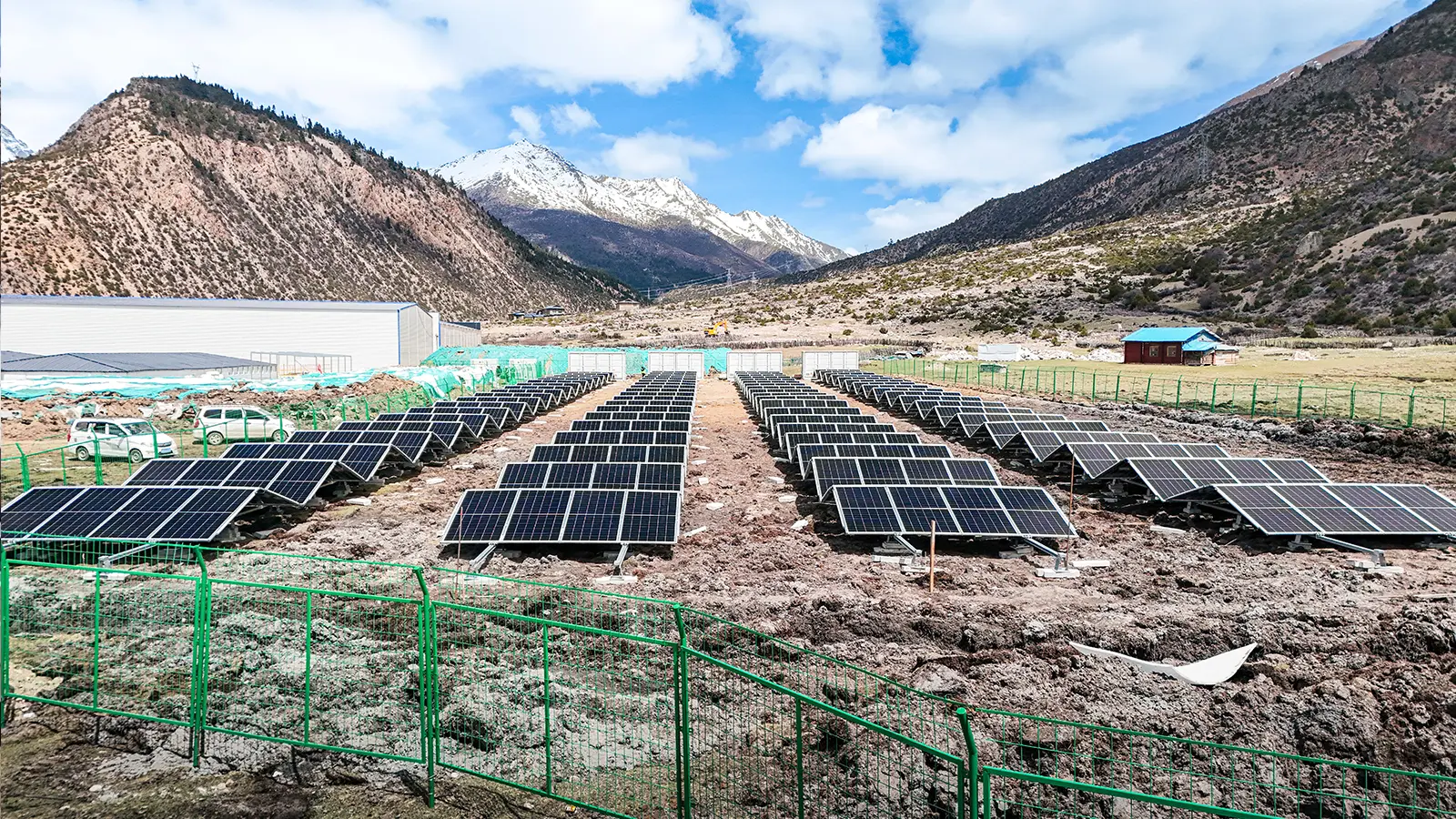
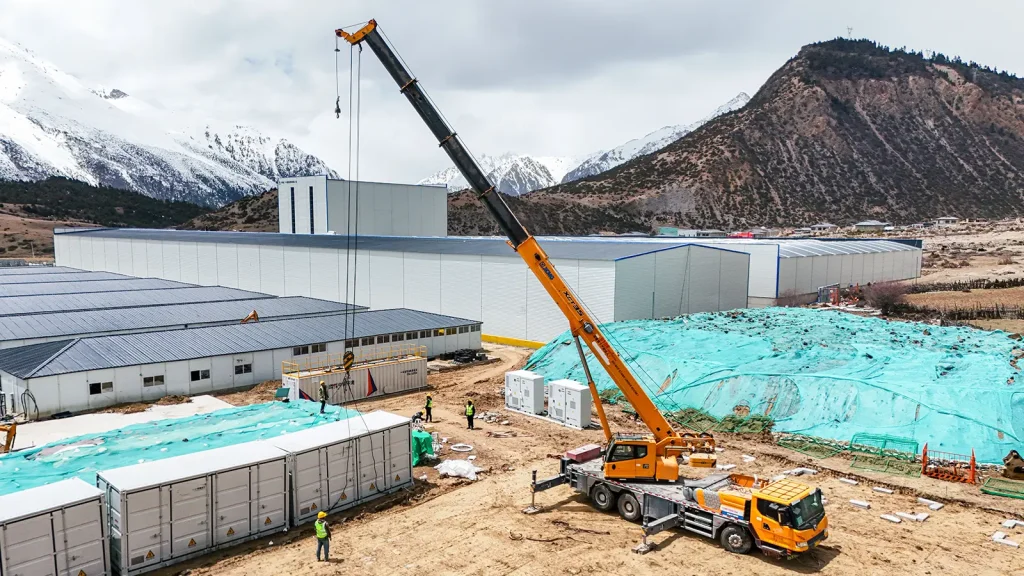
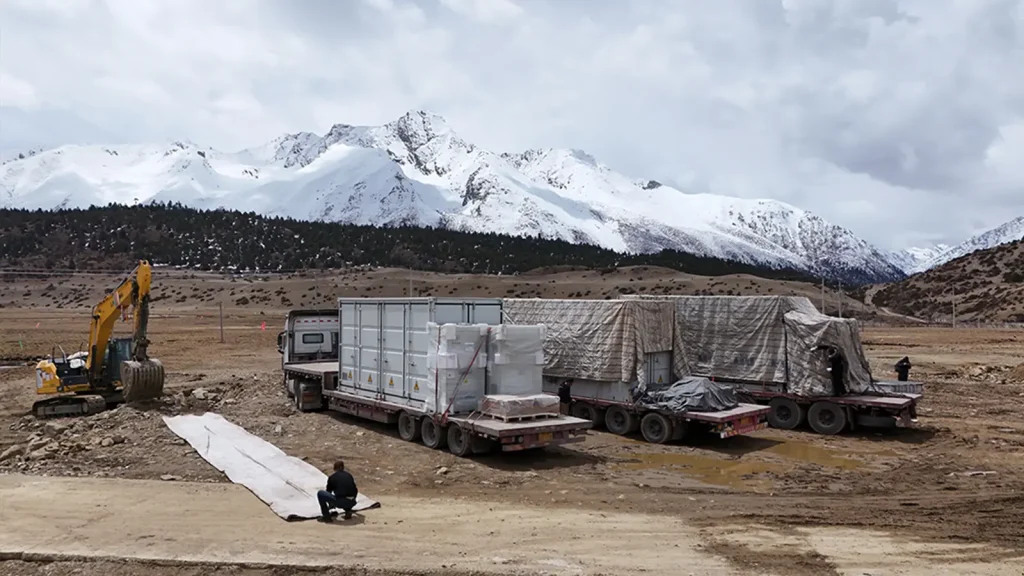
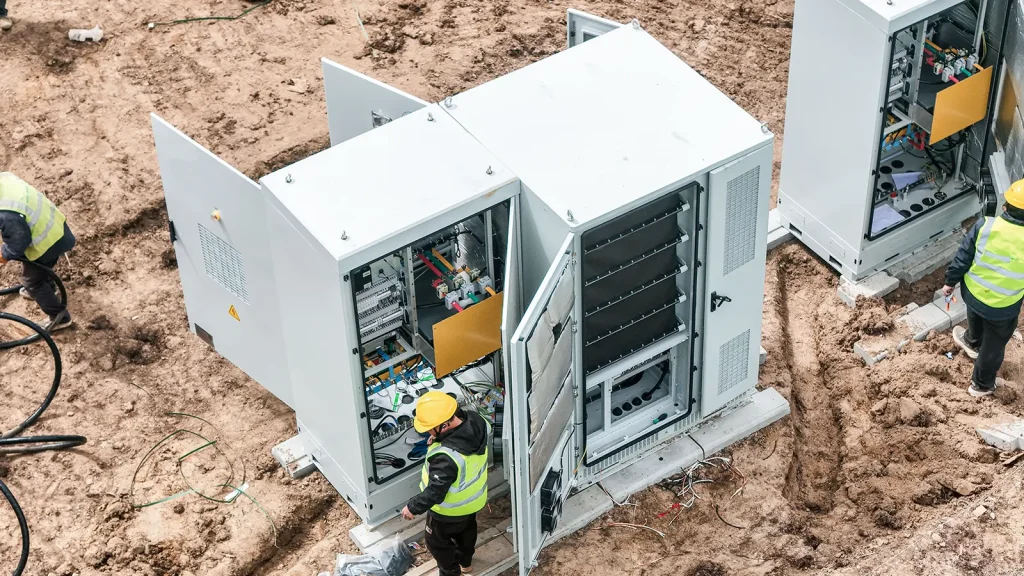
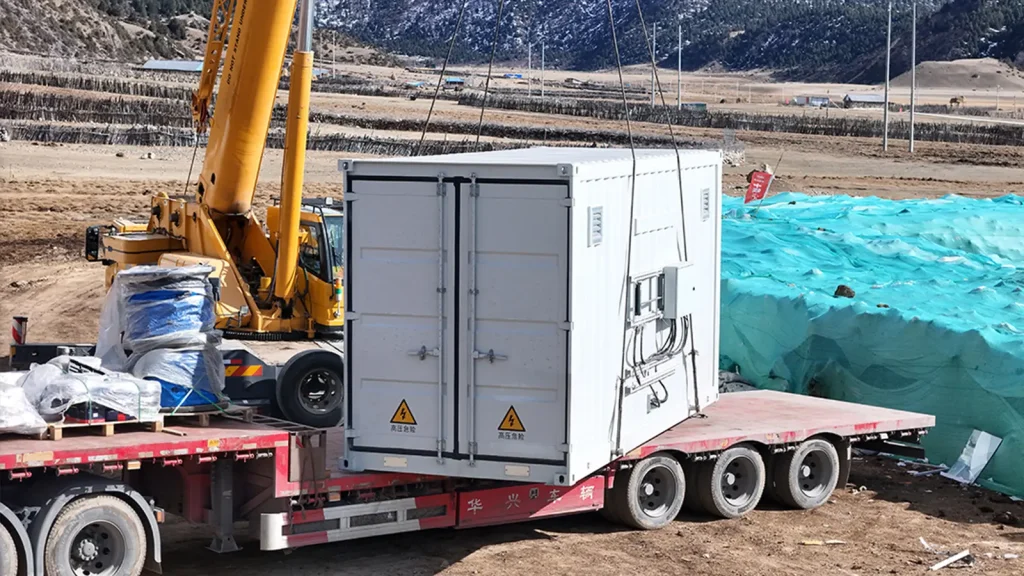
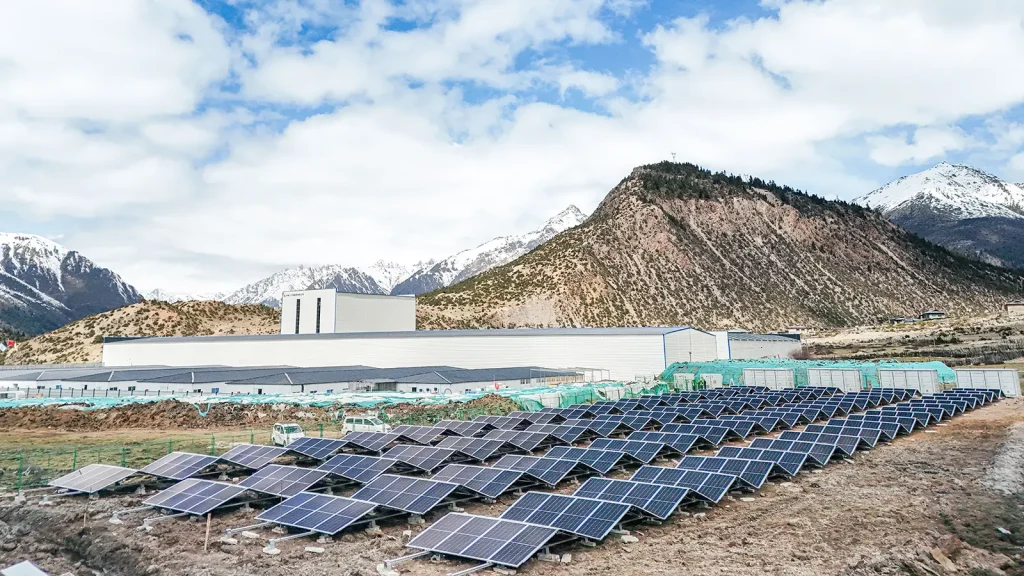
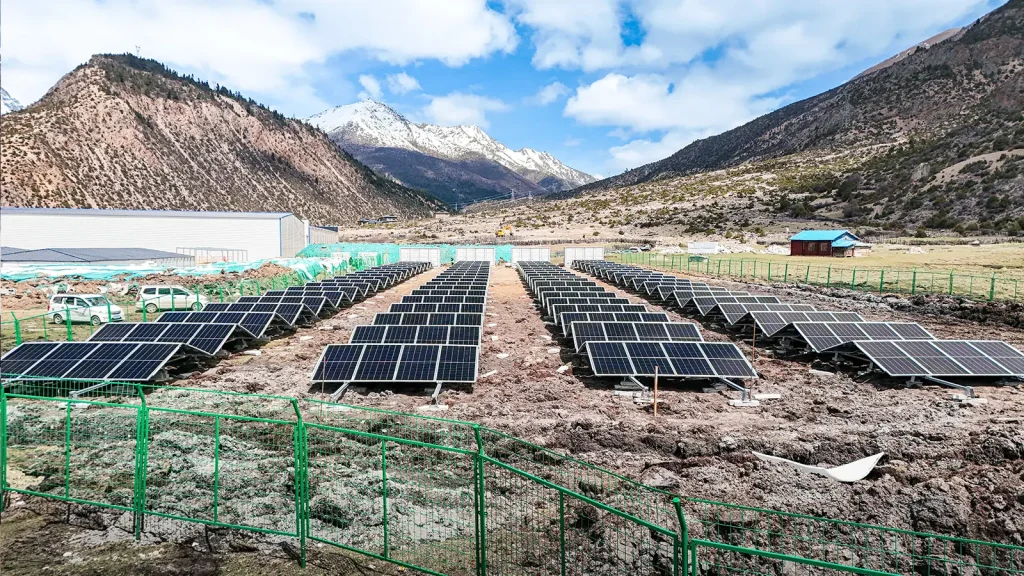
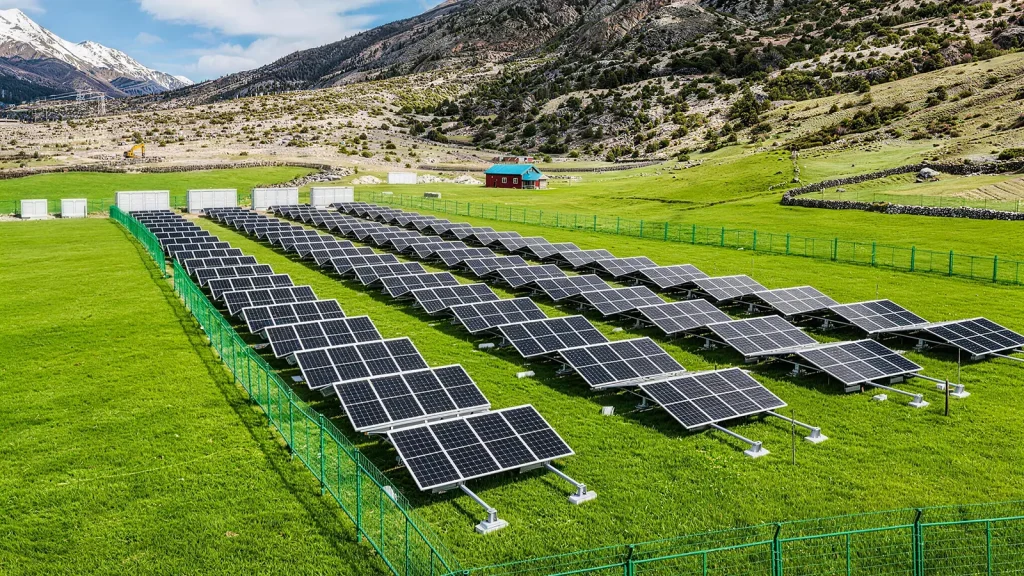
A defining moment for this sector was the recent announcement that HighJoule (HJ Group) secured a major contract for the centralised procurement of microgrid equipment for a prominent engineering group. Given its location near the Tibetan plateau at an altitude of approximately 4,500 metres, this project therefore serves as a quintessential case study in overcoming the “last mile” energy challenge. Explore the full project details and technical specifications here.
For project managers and engineers at solarcontainerkit.com, understanding the intersection of specialized engineering, rapid-deployment logistics, and high-altitude adaptation is no longer optional—it is a strategic necessity.
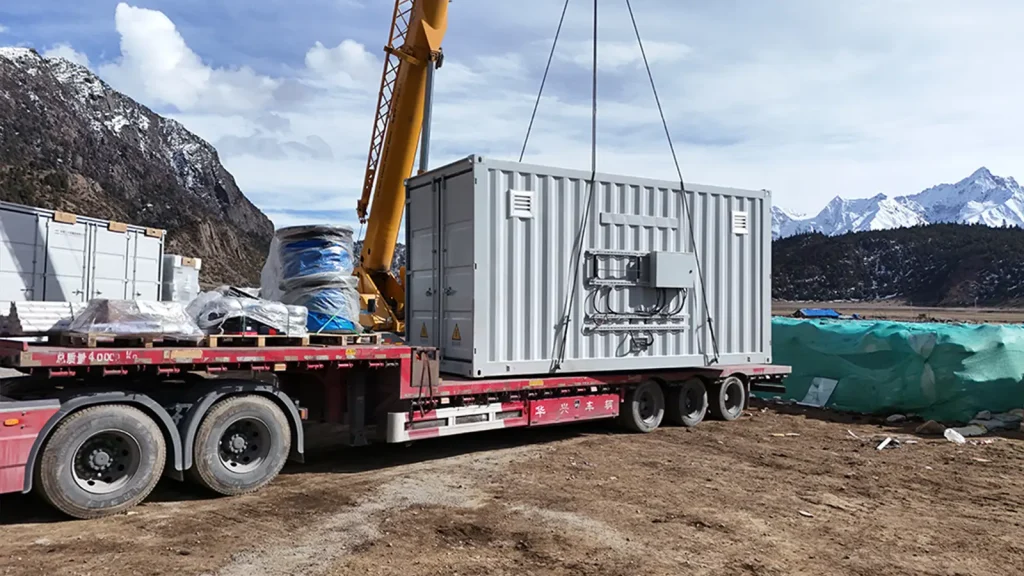
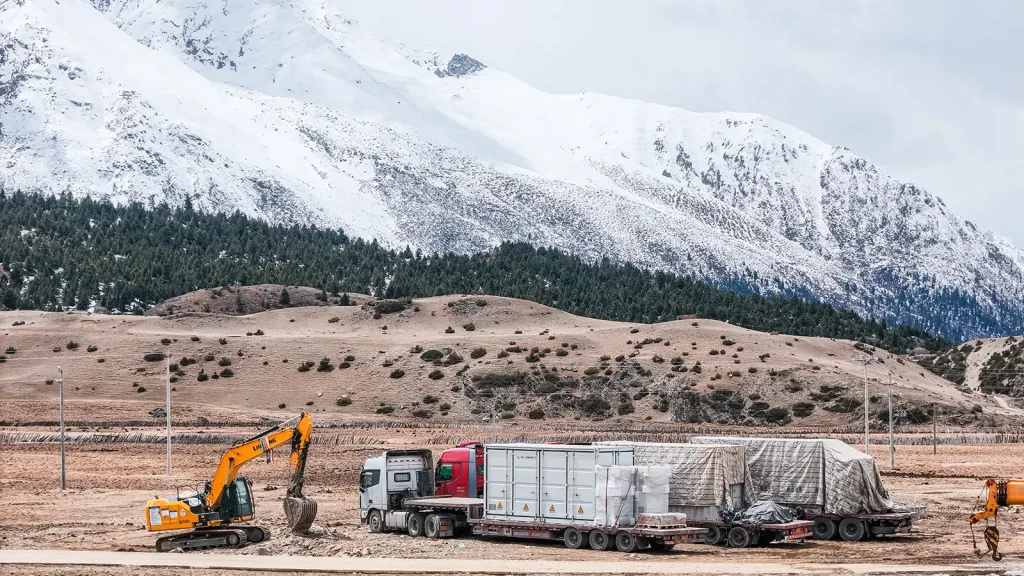
The Physics of 4,500 Metres: Why Standard Equipment Fails
Deploying energy infrastructure at 4,500 metres is a fundamental challenge of physics. The environment is defined by a “low-pressure, thin-air, high-UV” trifecta that can lead to premature equipment aging and catastrophic system failure if not addressed through rigorous engineering.
1. Air Density and the Cooling Crisis
As altitude increases, atmospheric pressure and air density decrease linearly. At 4,500 metres, the relative air density is only approximately 63.4% of its sea-level value.
| Altitude (m) | Temperature (°C) | Pressure (Pa) | Air Density (kg/m³) | Relative Density (δ) |
| 0 | 15.0 | 101,325 | 1.2250 | 1.000 |
| 2,000 | 2.0 | 79,495 | 1.0065 | 0.822 |
| 4,500 | -14.3 | 57,728 | 0.7768 | 0.634 |
This reduction in density severely impacts convective cooling. Power electronics like inverters and Battery Management Systems (BMS) dissipate heat by moving air across heat sinks. Thinner air contains fewer molecules to carry that heat away, causing components to run significantly hotter than at sea level under the same load. HighJoule addresses this through specialized high-altitude simulation and system derating to ensure stable operation where standard inverters would trigger thermal protection shutdowns.
2. Dielectric Strength and Arcing Risks
Lower atmospheric pressure reduces the dielectric strength of the air, which acts as the primary insulator for high-voltage equipment. The “inception voltage gradient”—the point where air begins to conduct electricity—drops as pressure falls. This increases the risk of corona discharge and arcing. HighJoule incorporates International Standards (IEC 60071-2) and specific voltage correction factors into their system design to maintain electrical integrity in the low-pressure Tibetan environment.
3. The Beer-Lambert Law: The Solar Irradiance Paradox
Paradoxically, the same high altitude that challenges electronics provides a superior solar resource. According to the Beer-Lambert Law, radiation intensity decreases exponentially as it passes through a medium.
At 4,500 metres, the path length ($x$) through the atmosphere is shorter, and there are fewer particles to scatter radiation. This results in significantly higher direct solar irradiance, which intensifies the demand for high UV resistance in solar panels and structural components.
Hardware Innovation: The Foldable PV Container
The centerpiece of the HighJoule solution is the integrated foldable PV container. This modular system is specifically designed to solve the “logistics and deployment” hurdle common in remote engineering projects.
Volume Compression for Extreme Logistics
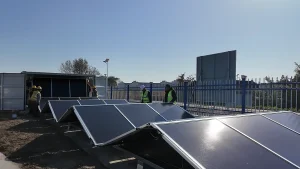
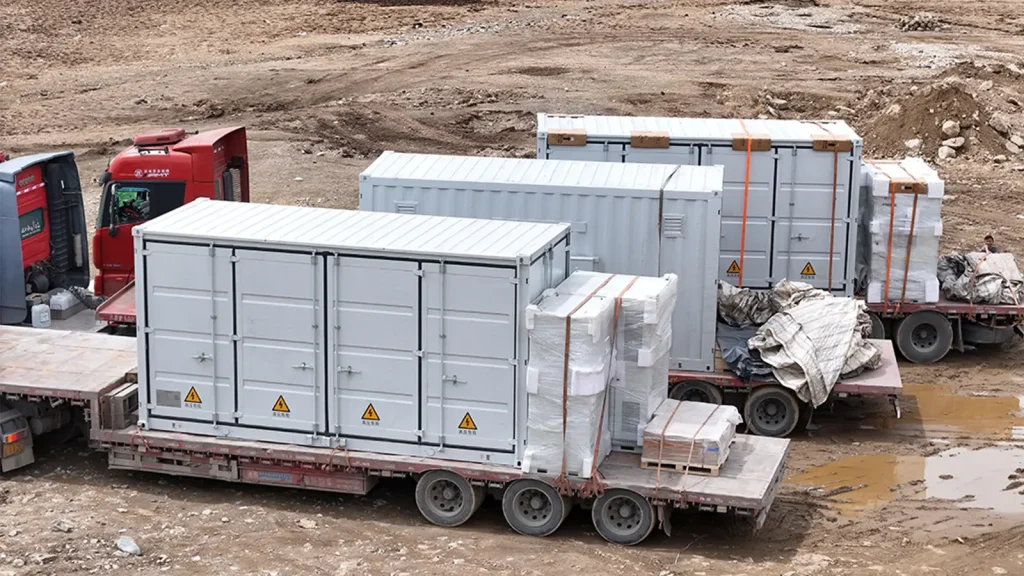
Navigating winding mountain roads with strict weight and volume limits is a major barrier. HighJoule’s foldable PV containers compress their volume to one-third of a conventional system during transport. This drastically reduces the shipping footprint and the number of vehicles required, which is essential for reaching sites inaccessible to standard large-scale cargo trailers.
Comparison: Conventional vs. HighJoule Deployment
- Transport Volume: 100% (Full Bulk) vs. 33% (Compressed).
- Installation Time: Days to Weeks vs. Under 4 Hours.
- On-site Labour: High (Thousands of parts) vs. Minimal (2 personnel).
The Automated Folding Rail System
Safety is paramount in low-oxygen environments where human physical capacity is reduced. HighJoule’s patent-pending Automated Folding Rail System eliminates the manual risks of traditional panel installation. This mechanism automatically adjusts to terrain variations and maintains structural integrity even under wind speeds of up to 25 m/s (Beaufort scale level 10).
Energy Storage Resilience: LFP in Sub-Zero Conditions
A plateau microgrid is only as good as its ability to store energy for use during freezing nights. HighJoule utilizes high-capacity Lithium Iron Phosphate (LFP) batteries, known for their thermal stability and safety.
Overcoming the -30°C Barrier
LFP batteries face significant degradation in the -30°C temperatures typical of Tibetan winters. Extreme cold increases electrolyte viscosity and internal resistance, which can lead to “lithium plating” and internal short circuits during charging.
HighJoule’s patented Intelligent Thermal Control Logic employs predictive management, active heating, and advanced insulation to maintain an optimal operating range of -30°C to +55°C. This technology is verified to extend battery life by 30% compared to standard management systems.
The Business Case: Diesel Replacement and ESG
Beyond the engineering, the move to solar containers is an economic and environmental imperative.
- Diesel Replacement: In remote regions, diesel generation costs are exceptionally high due to fuel transport logistics and engine maintenance in thin air. Reports show companies using solar containers can reduce fuel consumption by up to 70%.
- ESG and Scope 3 Emissions: In 2026, supply chain emissions are treated as financial liabilities. By using cobalt-free LFP batteries and auditable carbon footprint methodologies (ISO 14067), HighJoule helps clients proactively manage regulatory exposure.
- Carbon Reduction: Since 2015, HighJoule has contributed to a cumulative reduction of 2.8 million lbs of CO2, verified under ISO 14064 standards.
HighJoule’s EEAT: Why Experience and Expertise Matter
When selecting a microgrid partner for high-stakes projects, Google’s EEAT standards—Experience, Expertise, Authoritativeness, and Trustworthiness—provide a vital framework.
| EEAT Pillar | HighJoule (HJ Group) Qualification | Client Benefit |
| Experience | 20+ years (Est. 2002); 6,000+ projects | Reduced project execution risk |
| Expertise | 200+ patents; Automated folding tech | Superior performance in extreme sites |
| Authoritativeness | Drafting national standards for EMS | Future-proof compliance |
| Trustworthiness | UL 9540A, NFPA 855, ISO 14064 | Business continuity and security |
HighJoule’s 20-year history and its role as a standards-setter in energy management systems reinforce its authoritativeness within the sector. For an engineering group, choosing a partner that helps write the regulations governing the industry provides an added layer of confidence.
Conclusion: A Blueprint for Energy Independence
The successful deployment of microgrid infrastructure at 4,500 metres proves that integrated PV-storage systems are now a mature and reliable alternative to fossil fuels in even the harshest environments.
By combining innovative hardware like the foldable PV container with intelligent software like the thermal control logic, HighJoule has set a new benchmark for high-altitude power. For companies facing “energy security” challenges in remote regions, this case study serves as a technical and strategic blueprint for a cleaner, more resilient future. Access the complete project case, including deployment photos and performance data.
Last Updated on 05/14/2026