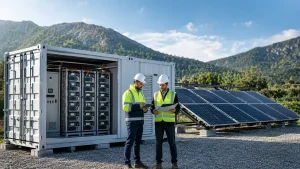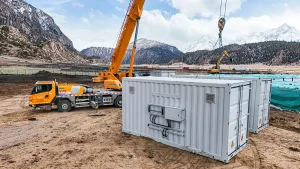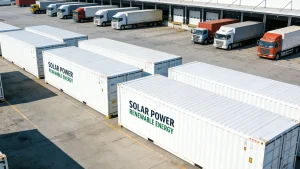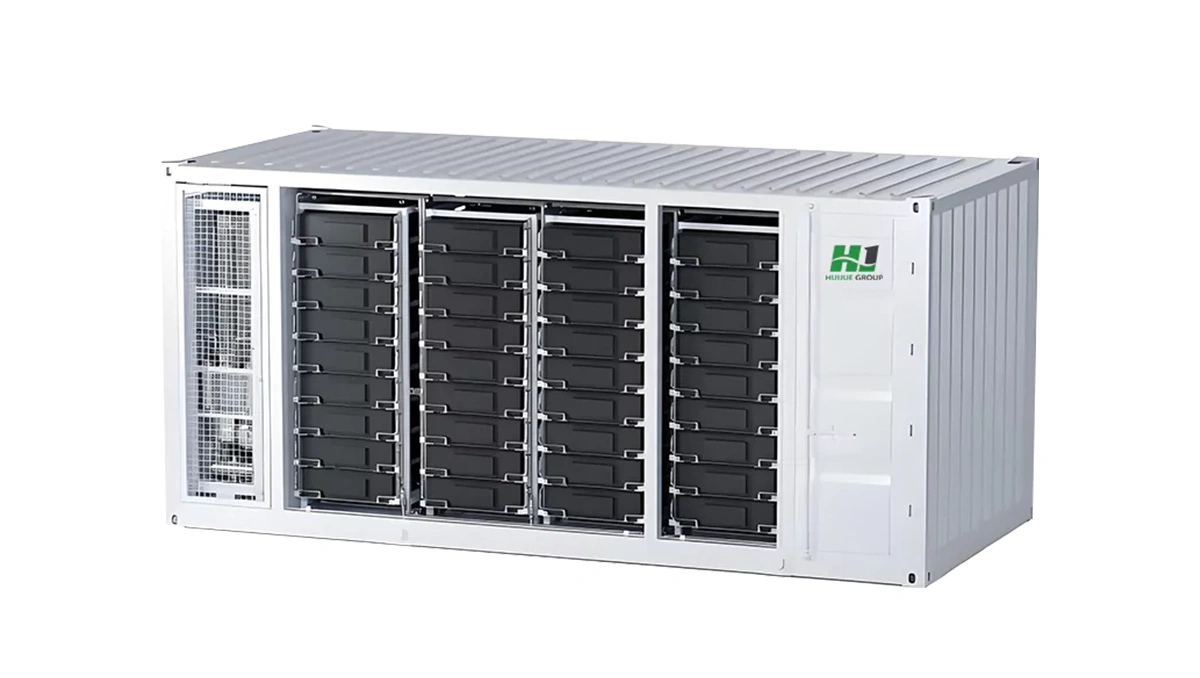
Choosing between an air-cooled and liquid-cooled energy storage container usually starts with the project conditions rather than the cooling technology itself. A battery system designed for daily peak shaving, frequency regulation, or renewable energy shifting has different thermal requirements from a backup system that operates only during outages.
In containerized BESS projects, the cooling method affects energy density, temperature consistency, maintenance requirements, and long-term operating considerations. The right choice depends on several factors, including system duty cycle, available installation space, ambient conditions, and local maintenance capability.
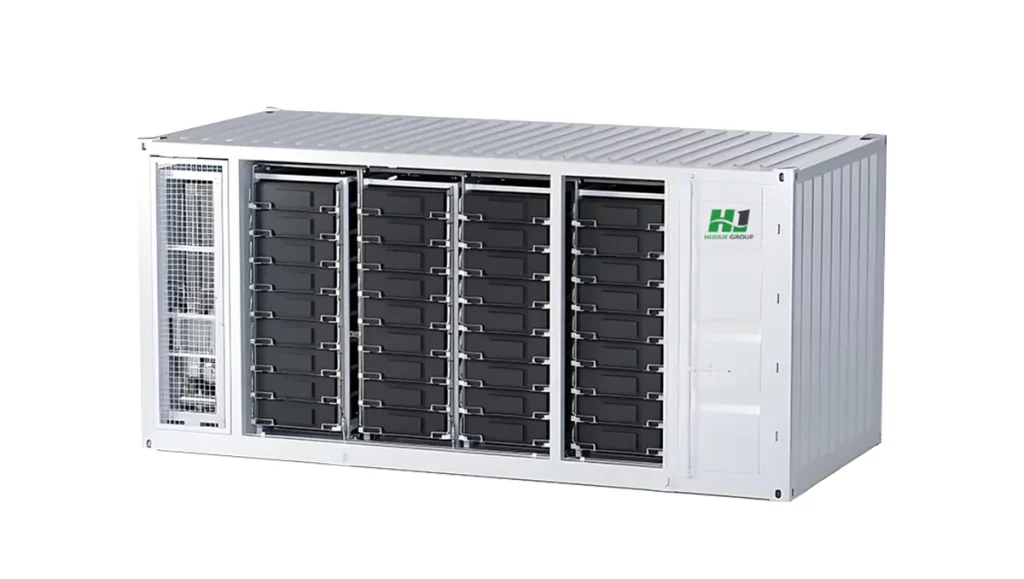
HighJoule provides both air-cooled and liquid-cooled energy storage container solutions for commercial, industrial, and utility-scale applications. The air-cooled energy storage platform covers 2.0–5.0 MWh configurations, while the liquid-cooled energy storage platform supports 2.5–6.25 MWh containerized systems with different power configurations.
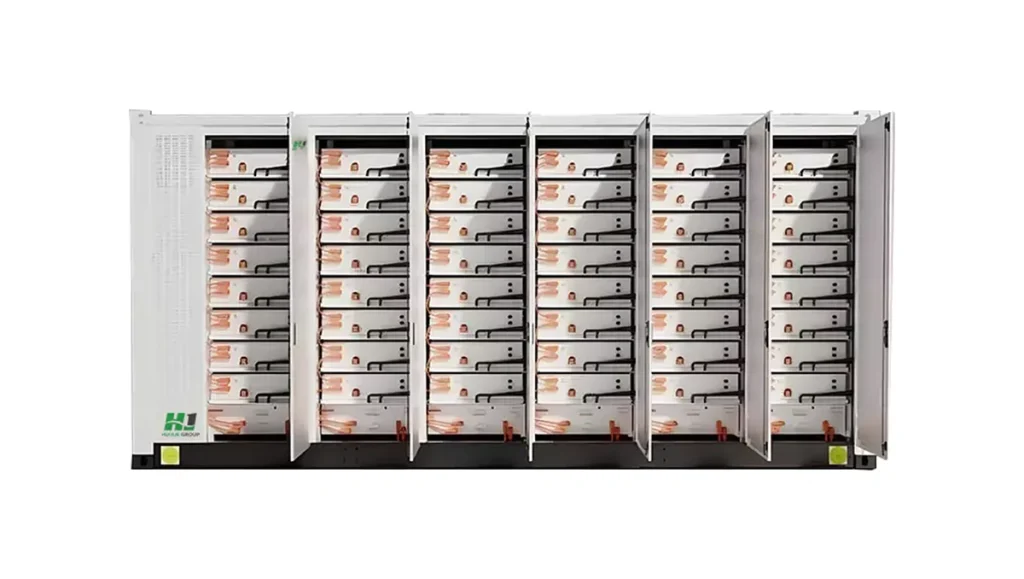
Compare the Two Platforms on Published Numbers
Before comparing cooling technologies, it is important to start with the actual system configuration. Capacity, container size, thermal architecture, and project scope often determine whether a solution fits better than the cooling method alone.
| Decision factor | Air-cooled | Liquid-cooled |
|---|---|---|
| Published range | 2.0–5.0 MWh | 2.5–6.25 MWh |
| Container format | Primarily 40 ft | 20 ft |
| Thermal approach | Forced air / HVAC | Coolant loop and heat exchanger |
| Battery chemistry | LFP | LFP |
| Rated power | Confirm according to configuration | 1.25 MW to 3.45 MW |
The values above are published reference configurations rather than fixed specifications for every project. Items such as rated power, voltage range, PCS selection, and grid interface may vary depending on system requirements.
What HighJoule Considers When Selecting Cooling Solutions
In real BESS projects, cooling selection is rarely decided by capacity alone. During engineering discussions, the first questions are usually related to how the system will operate and where it will be installed.
- Operating profile. A battery system performing multiple charge and discharge cycles every day generates a different thermal load compared with a standby backup system.
- Installation environment. Temperature range, humidity, dust conditions, altitude, and site accessibility all influence thermal design.
- Space limitations. Projects with limited land availability may prioritize higher energy density and compact container layouts.
- Maintenance capability. The selected cooling system should match the skills and resources available at the project site.
For example, a commercial and industrial energy storage project used for peak shaving may place greater importance on stable cycling performance and compact installation. A remote backup application may prioritize simpler maintenance and easier service access.
When Air-Cooled Energy Storage Containers Fit
Air-cooled containers use fans, HVAC systems, and designed airflow paths to manage battery temperature. This approach is familiar to many operators because maintenance procedures are similar to conventional industrial cooling equipment.
Air cooling can be suitable for projects where the climate is moderate, installation space is available, and the operating profile does not require extremely high cycling frequency.
The main consideration is temperature distribution. Airflow depends on factors such as filter condition, rack arrangement, and internal airflow design. During supplier evaluation, project owners should review temperature monitoring methods and thermal test data for the proposed configuration.
When Liquid-Cooled Energy Storage Containers Fit
Liquid-cooled containers circulate coolant through a thermal circuit and transfer heat through heat exchangers. This design supports more consistent cell temperature control and allows a more compact system layout.
Liquid cooling is commonly considered for projects with frequent cycling, higher ambient temperatures, or limited installation space. These conditions increase the value of maintaining stable battery temperature throughout operation.
The trade-off is additional system complexity. Pumps, coolant circuits, leak detection, and heat rejection equipment become part of the maintenance plan. According to research from the National Renewable Energy Laboratory (NREL), battery thermal management involves balancing heat transfer performance, reliability, and system complexity.
HighJoule’s Denmark project provides a practical example. The 125kW/261kWh liquid-cooled ESS was deployed for peak shaving, frequency regulation, and peak-valley energy management. Because these applications require repeated charge and discharge cycles, maintaining stable cell temperature became an important part of the system design.
Air-Cooled vs Liquid-Cooled BESS Cost Considerations
Cooling technology affects not only the initial equipment design but also the long-term operating cost of a battery energy storage system. When comparing air-cooled and liquid-cooled BESS containers, the purchase price should be evaluated together with installation conditions, maintenance requirements, and expected operating cycles.
Air-cooled systems generally have a simpler thermal structure because they rely on fans, HVAC units, and airflow management. This can make maintenance procedures more familiar for sites with existing industrial cooling experience.
Liquid-cooled systems usually include additional components such as coolant circulation pumps, heat exchangers, and monitoring systems. These components increase system complexity, but they also support more consistent temperature control when the battery operates under higher thermal stress.
For projects with frequent cycling, high ambient temperatures, or limited installation space, the lifetime value of improved thermal management may become more important than the initial equipment difference. For lower-cycle applications where simplicity and service accessibility are priorities, air cooling may remain a practical option.
The Factors That Actually Decide the Cooling Platform
Cooling selection should follow the project requirements rather than treating one technology as suitable for every application. Before selecting a containerized BESS solution, project developers should evaluate the following factors.
- Duty cycle. Daily charge and discharge frequency directly affects battery heat generation. Applications such as peak shaving, frequency regulation, and renewable energy shifting usually create higher thermal demands than standby backup systems.
- Energy density and footprint. When land availability is limited, a compact liquid-cooled container may provide advantages because of its higher integration density. Projects with sufficient space may prioritize simpler layouts.
- Environmental conditions. Temperature range, humidity, dust, and altitude influence both thermal performance and maintenance requirements. Outdoor installations require careful evaluation of local climate conditions.
- Maintenance capability. Air-cooled systems require attention to filters, fans, and HVAC equipment. Liquid-cooled systems require inspection of pumps, coolant circuits, and leak detection systems.
- Project lifecycle expectations. The best cooling solution should match the expected operating pattern, service capability, and long-term performance requirements.
Confirm the System Boundary Before Comparing BESS Containers
A battery storage container is only one part of the complete energy storage system. The container normally includes battery modules, BMS, thermal management equipment, and fire protection systems. Other components, including PCS, transformer, switchgear, EMS, and grid connection equipment, are often confirmed according to project requirements.
This is why two BESS quotations with similar capacity ratings may have different total project costs. Before comparing suppliers, customers should confirm the complete system scope, including power conversion equipment, installation requirements, communication interfaces, and after-sales support.
The energy storage container category provides an overview of HighJoule containerized ESS solutions for different application scenarios.
Selection Checklist Before Choosing a Cooling System
| Confirm Before Choosing | Why It Matters |
|---|---|
| Charge-discharge duty and duration | Determines thermal load and required system performance |
| Available installation footprint | Influences container size and energy density requirements |
| Ambient temperature, dust, and humidity | Affects cooling demand and maintenance planning |
| Local maintenance capability | Ensures the selected thermal system can be properly serviced |
| PCS, transformer, and grid interface scope | Defines the complete project configuration and cost |
| Certification and test evidence | Confirms that performance data applies to the specific configuration |
Frequently Asked Questions
Is liquid cooling always better than air cooling?
No. Liquid cooling provides more consistent temperature control and supports higher-density battery layouts, but it also introduces additional components such as pumps, coolant systems, and leak monitoring. Air cooling can be suitable for projects with moderate cycling requirements, available space, and easier maintenance conditions.
Does a 20 ft BESS container always provide higher capacity than a 40 ft container?
Not necessarily. Container capacity depends on battery cell format, rack design, thermal architecture, and overall system integration. A smaller container may achieve higher energy density in some designs, but container size alone does not determine system performance.
Which information should customers provide when selecting a BESS container?
A proper comparison requires project information including load profile, required power and duration, operating cycles, ambient conditions, available space, grid requirements, and equipment scope. These factors determine whether an air-cooled or liquid-cooled solution is appropriate.
Next Step
To evaluate the suitable cooling solution for your project, prepare the load profile, required power and duration, operating environment, installation limitations, and delivery scope. HighJoule can help review the system requirements and recommend an appropriate energy storage container configuration.
For more information about BESS thermal management and containerized energy storage design, see the BESS thermal management guide.
Last Updated on 09/23/2026