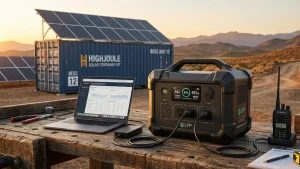
A heatwave backup power plan starts with the loads that cannot wait, the time they must be supported, and the site interface that will connect the equipment. With the critical-load profile in hand, a buyer can compare a small power station, generator, fixed battery system, and mobile solar-storage container on a responsible basis.
The World Meteorological Organization reported on July 9, 2026 that June 2026 was the hottest June on record for western Europe and the second warmest globally. It is a timely reason to review a site plan; outage probability and equipment needs remain specific to each facility.
For a solution overview before this checklist, see our Emergency Energy Solution and solar container product range.
Identify the critical loads first. Then confirm required duration, starting currents, allowed transfer interruption, connection point, access, operating owner, and any local approval path. A containerized system is worth evaluating when the problem is repeated or multi-day temporary power—not merely a short charging need.
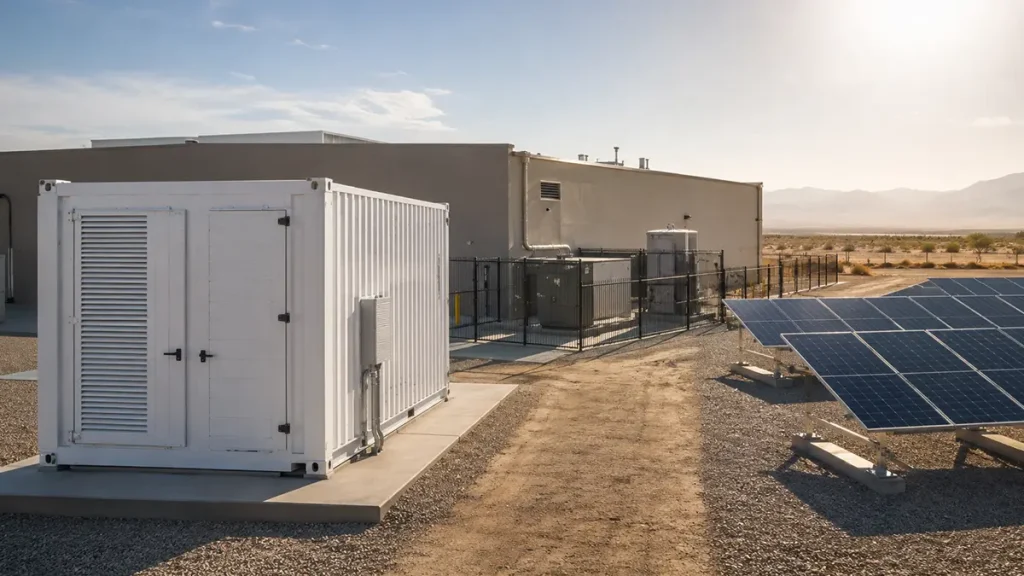
Why Heat Changes the Backup-Power Conversation
Heat can change both the demand side and the operating environment. Cooling, ventilation, communications, pumps, refrigeration, and worksite operations may all matter at the same time. The practical planning question is not whether a heatwave will cause a universal blackout. It is whether a particular facility has already decided what it will keep alive if its normal supply is constrained or lost.
This article serves facilities, temporary operational sites, shelters, telecom support, construction, mining, and relief operations. Medical-power design, life-safety code compliance, and final electrical design remain matters for the responsible local engineer, utility, authority, and project team.
A 24-Hour Planning Workshop to Complete Before Heat Arrives
This is a planning sequence to complete before an expected heat event, or within the first 24 hours after a readiness review is initiated. It is not an emergency-restoration timeline to begin after normal power has already failed. A critical facility should have its load schedule, electrical interface, operating responsibility, and supplier scope resolved before it needs temporary power.
| Window | Decision to complete | Evidence to record |
| 0–2 hours: protect the decision | Name the facility lead and operator. Decide which activities may stop and which loads cannot. | Current single-line diagram if available; emergency contacts; site access restrictions. |
| 2–6 hours: audit critical loads | List each critical load, its running power, starting demand where relevant, duty cycle, and minimum runtime. | Load schedule; meter data; equipment nameplate data; operating sequence. |
| 6–12 hours: confirm the interface | Confirm voltage, frequency, phase arrangement, earthing, connection point, generator interaction, cable route, and isolation responsibility. | Approved or reviewed site-interface information from the responsible electrical team. |
| 12–24 hours: select and mobilize | Compare options against duration, access, noise, fuel, solar resource, storage, transport, and operator capability. | A written scope, deployment assumptions, named roles, and supplier RFQ inputs. |
Do not add together every connected load and call that the backup requirement. A critical-load schedule is a deliberate operating decision. Emergency lighting and communications may be essential while noncritical process loads, comfort cooling in unused areas, or discretionary charging can wait. A refrigeration compressor or pump can also have a starting condition that a simple running-load total misses.
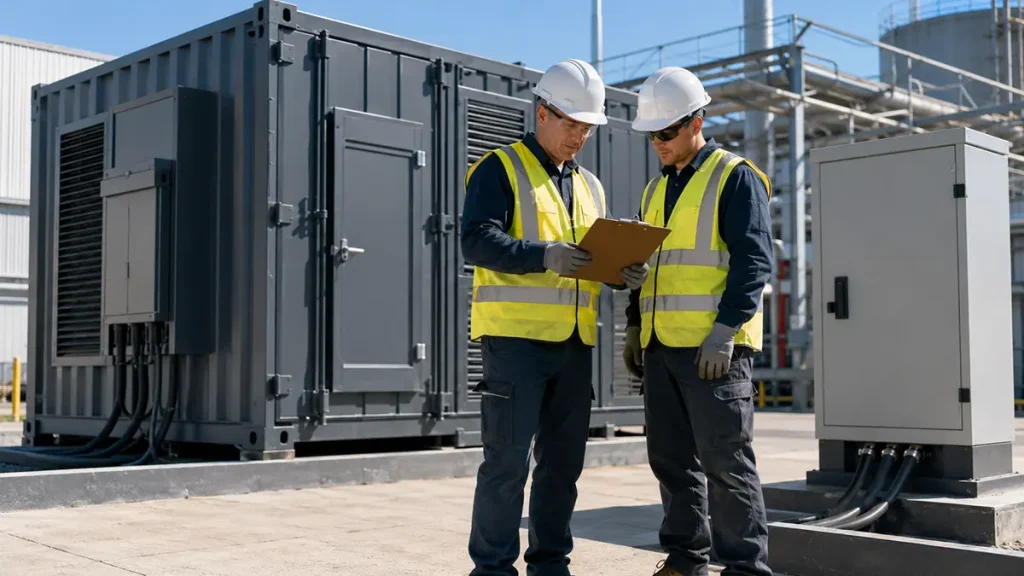
Illustrative first-pass capacity check
Consider an illustrative critical-load schedule with 80 kW of connected essential loads, a 60% average load factor, and a 12-hour target. The load energy is 80 kW × 0.60 × 12 h = 576 kWh. If the design assumes a 10%–90% state-of-charge window and 96% conversion efficiency, the first-pass nominal battery-energy calculation is 576 ÷ 0.80 ÷ 0.96 = 750 kWh. A separate inverter-power check is required for maximum simultaneous load, motor starting current, and permitted overload duration. This is a planning example only. It does not include solar yield, battery aging, ambient derating, reserve margin, local protection requirements, or the actual operating sequence.
Classify the Load Before You Classify the Equipment
| Load class | Question for the operator | Typical decision consequence |
| Life, safety, and essential communications | What cannot lose power without a defined safety or response consequence? | Confirm local life-safety and transfer requirements with the responsible design team; do not treat a commercial power package as an approval outcome. |
| Mission-critical operations | Which loads keep a shelter, telecom function, cold chain, pump station, command post, or essential operation usable? | Specify uptime target, load sequence, starting behavior, and operating owner. |
| Continuity loads | What reduces costly disruption but may be curtailed? | Use staged restoration or a lower-priority circuit plan. |
| Deferrable loads | What can be shed until normal supply returns? | Keep these out of the first-pass energy calculation. |
Practical check: If the project team cannot say which loads are critical, how long they must run, and who can authorize load shedding, it is not ready to select a temporary-power system.
Standards touchpoint: interface and life-safety scope
Where a North American project includes grid-interactive distributed energy resources, the responsible electrical team may need to assess IEEE 1547 for the interconnection and interoperability boundary with the electric power system. Whether it applies, and which edition or local adoption governs, depends on the jurisdiction, utility, operating mode, and contract scope.
For electrical energy-storage-system specification and evidence requests, the relevant parts of the IEC 62933 series may also be considered with the destination-country requirements. Neither reference is a universal approval route or a substitute for the applicable local code, authority, or project design review.
Choose the Temporary-Power Path That Fits the Site
| Path | Best fit | Important limitation |
| Small portable power station | Short-duration charging, lighting, communications, and a limited set of low-power loads. | Usually unsuitable for a facility-scale load profile, high starting currents, or sustained multi-day operation. |
| Generator | High-power temporary demand where fuel, noise, exhaust, maintenance, and fuel-delivery arrangements are acceptable. | Fuel continuity and site conditions remain operational risks; local safety and permitting rules apply. |
| Fixed solar plus storage | A stable site with known loads, design time, and a permanent electrical scope. | Not the best answer when the asset must be repeatedly moved between sites or deployed for a finite operation. |
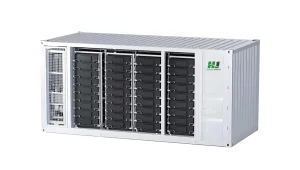
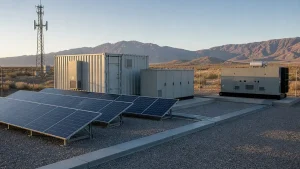
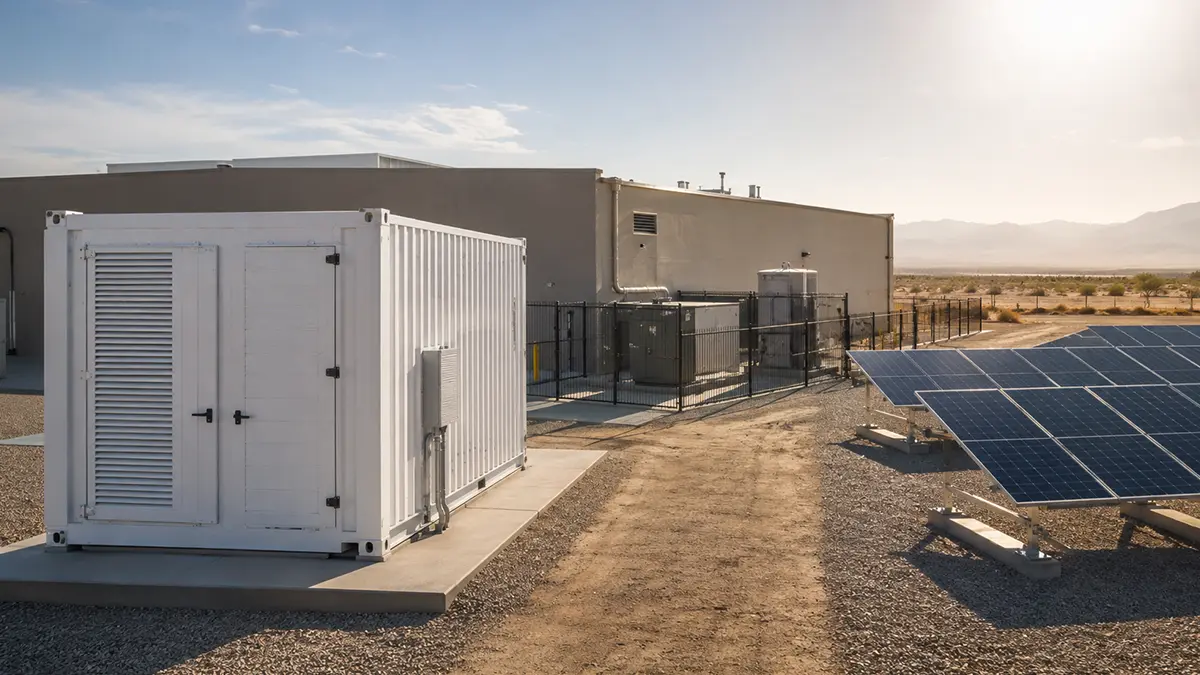
| Mobile solar-storage container | Repeated or longer temporary deployments where daytime solar replenishment, reduced fuel dependence, transportable equipment, and a defined site interface matter. | It still requires realistic access, placement, electrical design, protection, operating responsibility, and project-specific acceptance. |
A foldable-array choice is particularly relevant where deployment footprint and transportability affect the project. See our foldable versus fixed solar panels selection guide.
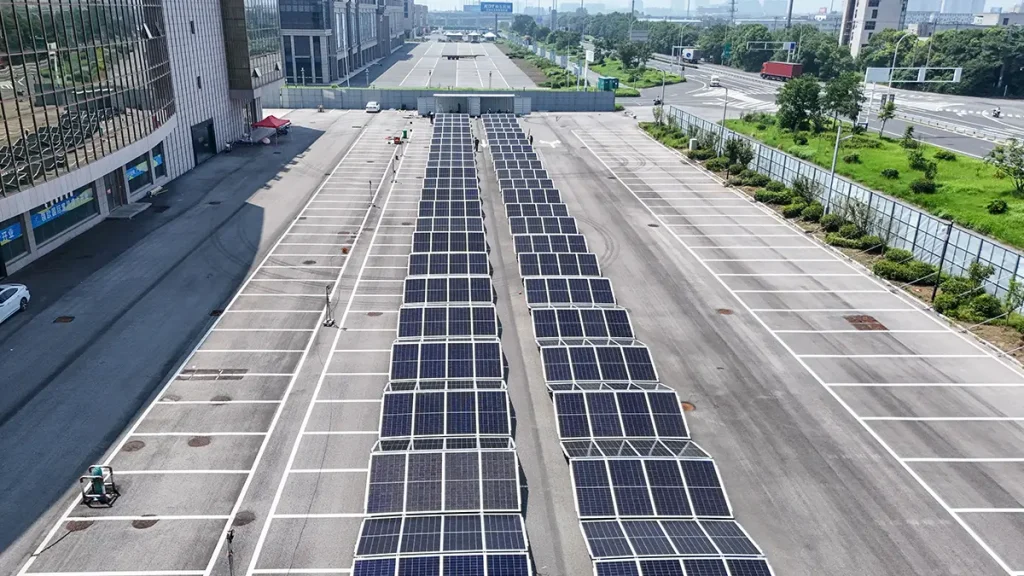
When a Mobile Solar-Storage Container Is a Credible Option
A mobile solar-storage container suits a defined operational pattern: the site needs more than a few hours of device charging, has a repeatable temporary-power need, can receive and place the equipment safely, has defined critical loads, and can assign an operator and electrical interface owner.
The energy calculation remains project-specific. Battery usable capacity, load duty cycle, solar yield, weather, inverter limits, start-up demand, curtailment strategy, and the allowed state-of-charge operating window all change the result. A responsible supplier should document assumptions rather than claim a universal number of hours.
What Our Documented Projects Show
Our Xinjiang solar container case documents two 10-foot folding containers with 54 kWp plus 36 kWp of bifacial photovoltaic capacity and a 241 kWh lithium iron phosphate storage cabinet. Its documented applications include emergency response, critical backup power, mobile electricity, temporary power, mining, and leasing.
Our Romania solar container case documents four 10-foot 46 kW foldable PV containers and five 215 kWh storage cabinets for modular applications including emergency response, temporary power, construction, mining, and mobile leasing.
Real project facts are useful only when the buyer also sees the conditions that cannot be copied: the load profile, site interface, location, logistics route, civil scope, and local rules.
Turn the Checklist Into an RFQ
A useful RFQ asks the supplier to respond to the project conditions, not simply to price a container. Ask for the equipment data and test evidence that belong to the supplier’s scope, while keeping final local electrical design, utility coordination, civil works, permits, and authority approval with the party contractually responsible for them.
| Ask for | Why it matters |
| Rated output and usable-energy assumptions | Lets the buyer compare the proposed critical-load duration with stated operating limits. |
| Load and interface assumptions | Makes voltage, phase, connection, generator, grounding, and transfer boundaries visible before delivery. |
| Environmental and placement limits | Tests whether ambient conditions, access, ventilation, clearances, lifting, and service space are realistic. |
| FAT and SAT scope | Separates factory acceptance testing from site acceptance testing and names what each can demonstrate. |
| Documents and responsibility matrix | Connects drawings, manuals, alarms, warranty boundary, training, logistics, installation, commissioning, and operations to accountable parties. |
Use our Solar Container RFQ Guide and deployment-timeline guide to build the schedule, document, FAT, SAT, and handover sections around the actual destination project.

A Heatwave Plan Is an Operating Plan
The useful output of heatwave backup power planning is not a dramatic equipment claim. It is an agreed operating plan: which loads are protected, who can shed or restore them, what equipment can connect safely, who will operate it, how it will be tested, and what evidence is needed before handover. That is also the information a supplier needs to develop a meaningful mobile solar-storage proposal.
We design and manufacture solar container systems in Shanghai for international projects. We can provide equipment configuration, factory evidence, and technical inputs within an agreed scope. The owner, EPC, local electrical team, logistics parties, operator, utility, and relevant authority retain their own responsibilities.
Send the destination country, critical-load schedule, target runtime, site voltage, generator/grid interface, and access constraints to [email protected]. We will identify whether a solar container is worth evaluating and what information belongs in the RFQ.
Last Updated on 07/30/2026