For an industrial project manager, a solar container price is just a baseline. The critical metric is the Cost of Energy Delivered (CoED) in unforgiving environments. When you move a power system from sea level to a 4,500m plateau, standard electrical components can lose over 20% of their rated efficiency due to atmospheric thinning and thermal stress.
Our pricing reflects “ruggedized engineering.” Every additional dollar spent upfront is an investment in avoiding the catastrophic field failures common in high-altitude, off-grid deployments.
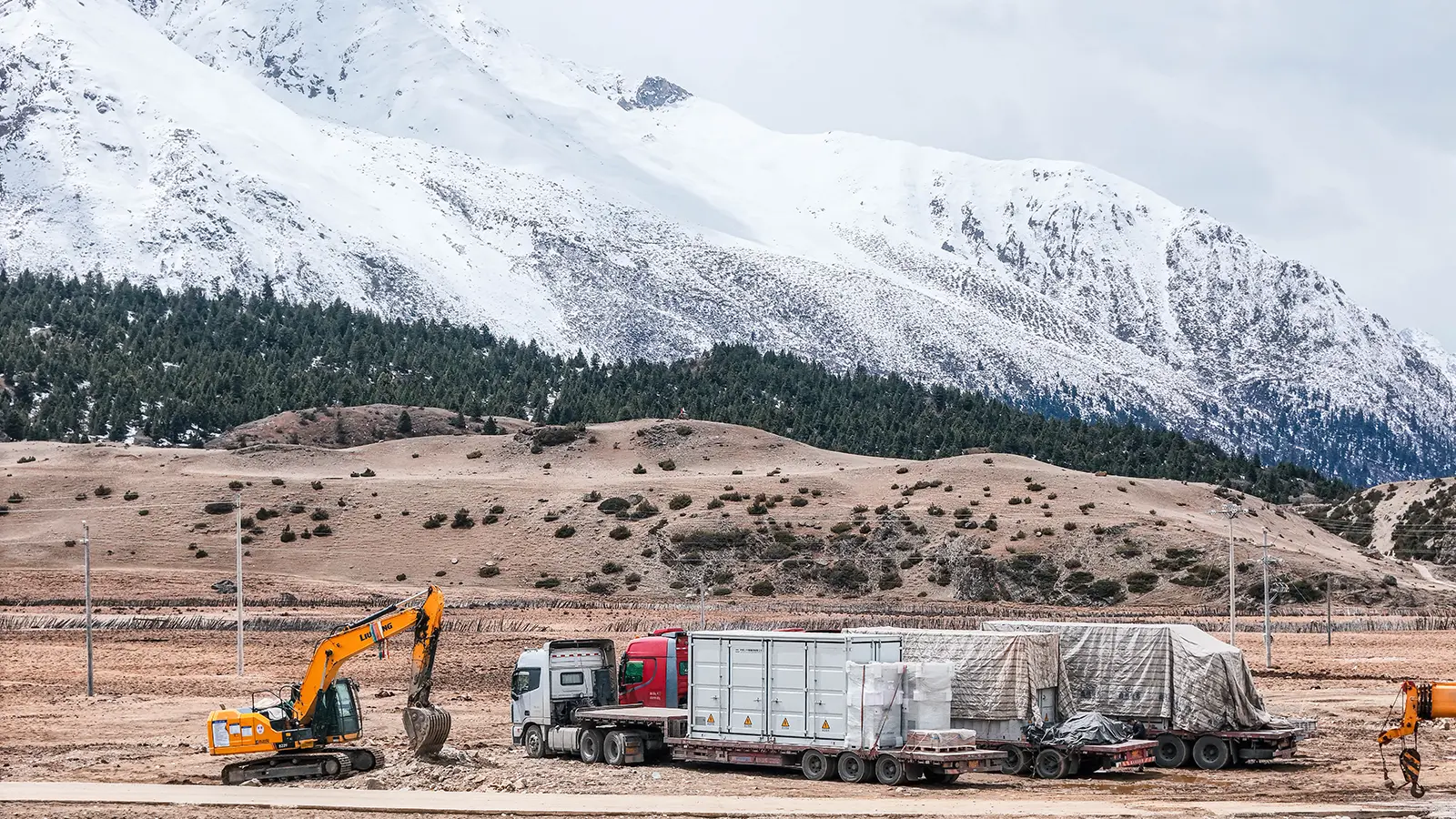
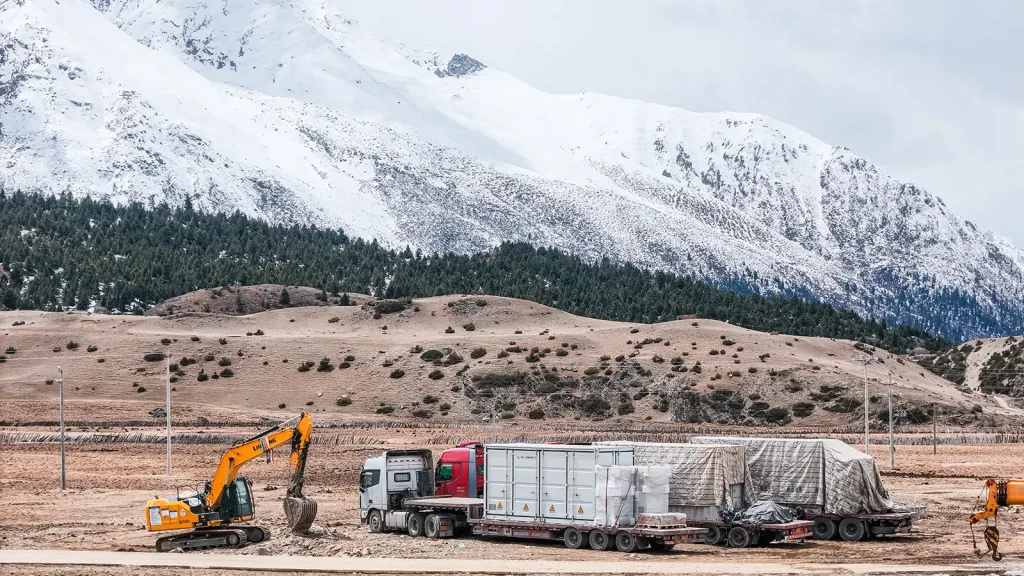
Using our recent HighJoule Plateau Microgrid Project (deployed at 4,500m AMSL) as a benchmark, this guide explains the technical variables that dictate a professional-grade quote.
1. The “Plateau Premium”: Engineering for Thin Air
Most commercial-grade inverters and batteries are rated for a maximum of 2,000 meters. At 4,500m, the atmospheric pressure drops to approximately 57kPa (56% of sea level). This creates a “perfect storm” of physics challenges that demand specialized hardware.
Dielectric Strength & Arcing Risks
Thin air is a poor electrical insulator. At 4,500m, the breakdown voltage of air decreases by roughly 40%, significantly increasing the risk of high-voltage arcing.
-
The HighJoule Standard: We utilize DC circuit breakers with 12mm creepage distances (vs. the standard 5mm) and vacuum-sealed busbars.
-
The Cost Reality: These components add 8–10% to the Bill of Materials (BOM). However, they prevent the system-wide meltdowns that recently cost a competitor at a similar altitude $120,000 in downtime and emergency repairs.
Thermal Derating: The “Altitude Tax”
Cooling fans rely on air density to move heat. At 4,500m, low air density reduces convection efficiency by ~35%. Without modification, a 100kW inverter will thermally throttle to 80kW.
-
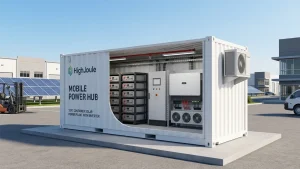
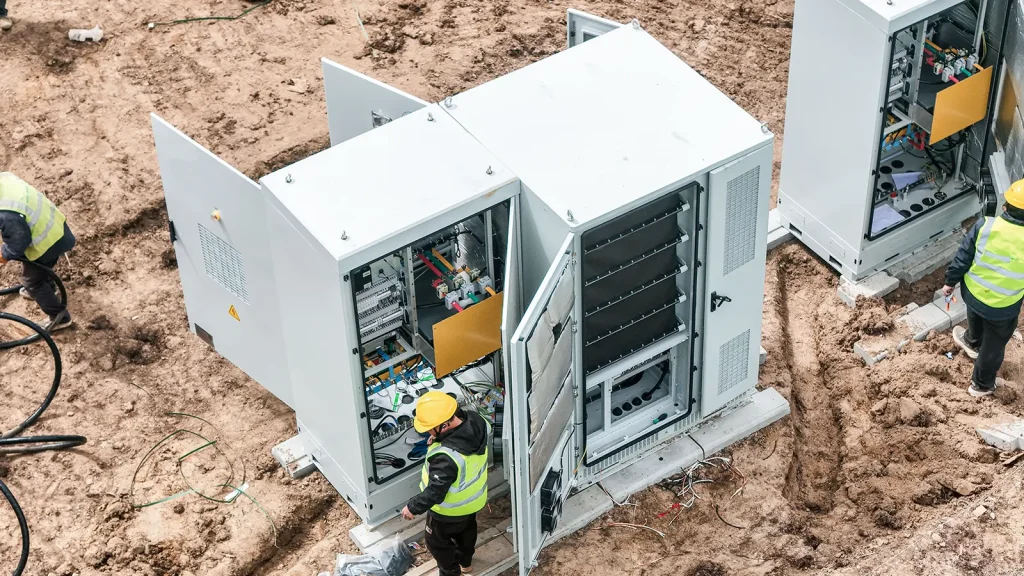
The HighJoule Standard: We integrate oversized liquid-cooling loops for LiFePO4 racks and 40% larger heat-dissipation fins on inverter housings.
-
The Cost Reality: A 100kW Plateau Kit averages $130k–$150k, compared to $100k for a sea-level unit. Yet, because the engineered kit delivers 95% of its rated output at altitude, its actual CoED is 20% lower than a “cheap” kit that throttles under load.
2. Structural Logic: Foldable PV vs. Fixed Ground Mounts
The HighJoule case study highlights our Foldable PV Racking System. This is a primary driver of both CAPEX and the long-term reduction of Operational Expenditure (OpEx).
Factory Integration vs. Site Labor
Traditional ground-mounts require weeks of site prep and expensive local labor. In remote regions, labor costs are often 3x higher than urban benchmarks.
-
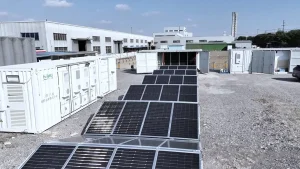
Efficiency: Our foldable kits arrive pre-wired and factory-validated. Deployment takes 2 workers 4 hours, compared to a 10-person crew working for 2 weeks on a traditional rack.
-
Labor Savings: In the HighJoule project, this saved roughly $110,000 in local labor and mobilization costs, effectively paying for the hardware premium in the first week.
Wind & Snow Load Resilience
Plateau environments face extreme gusts (120km/h+) and sudden snow accumulation.
-
Protection: Panels can be collapsed into the container during blizzards, increasing wind load resistance from 2.5kPa to 5kPa.
-
Asset Safety: This design saved a client’s $100k+ PV array during a March 2026 blizzard where a nearby fixed-mount system suffered catastrophic frame bending.
3. 2026 Comparison: Standard vs. Engineered Kits (100kW Reference)
| Component | Standard Container (Sea Level) | HighJoule Plateau-Grade (4,500m) | Engineering Advantage |
| BESS Chemistry | Standard LiFePO4 | High-Density Low-Temp LiFePO4 | -30°C start-up; 8,000 cycle life |
| Cooling | Forced Air (Standard Fans) | Liquid-Cooling + HVAC | Constant 25°C cell temp in extreme environments |
| PV Structure | Fixed Aluminum Racking | Foldable High-Wind Racking | 70% labor reduction; 4-hour deployment |
| Inverter | Standard IGBT | Altitude-Derated Inverter | 95% output at 4,500m (vs. 75% for standard) |
| Price Benchmark | 1.0x ($100,000) | 1.3x–1.5x ($130,000–$150,000) | Higher yield; 50% lower OpEx |
4. Case: HighJoule 4500m Microgrid
This project, deployed for a mining camp, demonstrates how engineered kits deliver superior ROI through Diesel Displacement.
-
The Logistics Challenge: Diesel at 4,500m costs ~$1.80/L due to transport premiums.
-
The Savings: The HighJoule kit covers 80% of the camp load, displacing 16 hours of generator runtime daily.
-
Payback Period: Monthly fuel savings of ~$25,000 resulted in a full payback in 32 months. Over a 20-year lifespan, the system is projected to deliver $3.7M in total fuel savings.
5. Industrial FAQ (Expert Insights)
Does altitude affect LiFePO4 battery lifespan?
Absolutely. Without proactive thermal management, sub-zero plateau temperatures and low pressure can reduce LiFePO4 capacity by 40% and cycle life by 30%. HighJoule kits utilize integrated 50W/m² thermal blankets and dynamic HVAC to maintain a stable environment, ensuring 8,000 cycles.
Why is shipping for these containers so variable?
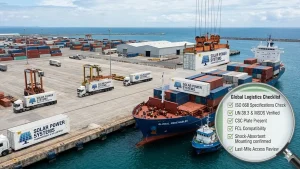
A 200kWh container weighs 12–15 tons. For the HighJoule project, “last-mile” access required specialized 4×4 heavy-lift transport. While shipping was $13,000 more than a coastal site, the fuel savings offset this within 60 days of operation.
Is the foldable racking compatible with TOPCon panels?
Yes. Our racks are specifically engineered for high-efficiency N-Type TOPCon or bifacial PERC modules (up to 600Wp). We avoid low-efficiency panels as the lower power density negates the ROI of the containerized format.
The Verdict: Invest in Engineering, Not Just Hardware
A cheap solar container is an expensive mistake in a harsh environment. At SolarContainerKit.com, we leverage real-world data from projects like the HighJoule Plateau Microgrid to ensure your investment delivers maximum power from Day 1 to Year 20.
Last Updated on 05/14/2026